PRODUCT DESIGN · 2023
Chem Guard
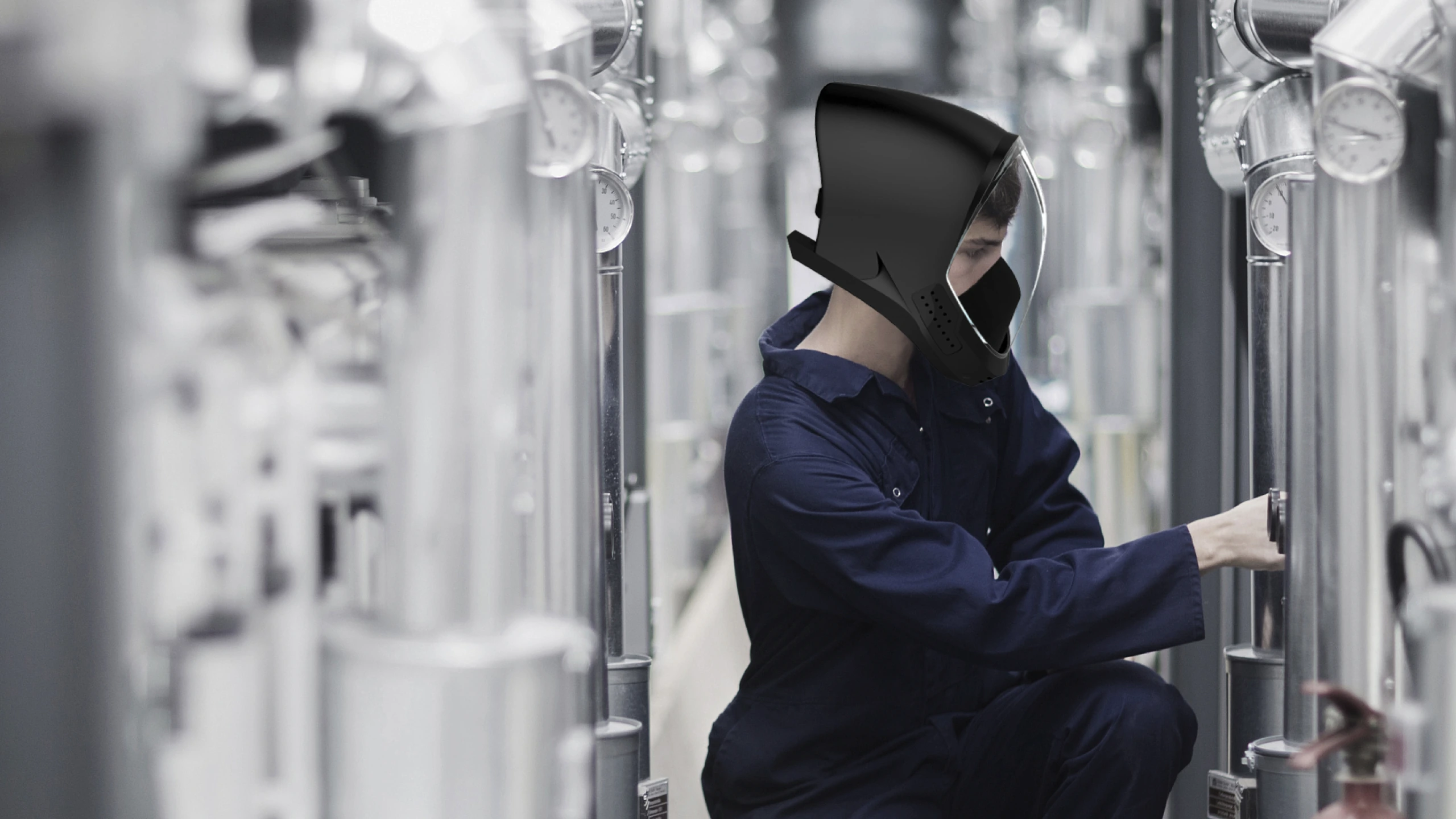
Chem Guard combines a protective wearable with a connected mobile interface for hazardous environments.
The system brings together industrial form, environmental and neural sensing, and real-time communication.
- Role
- Product Designer
- Scope
- Industrial Product Design for a Protective Wearable
- Team
- Independent Exploration
Problem
Protection has to make sense under pressure.
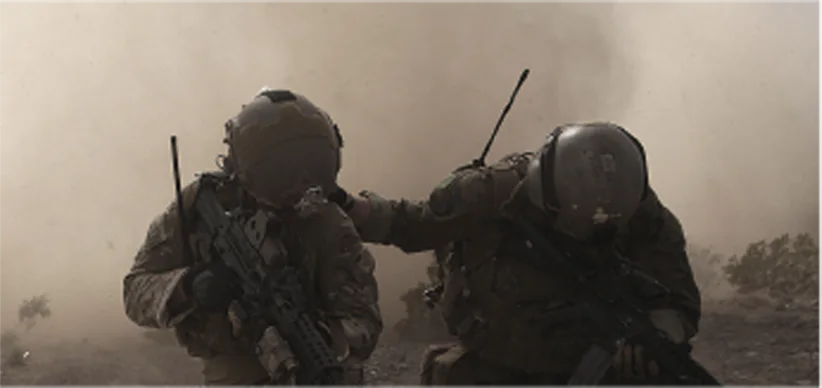
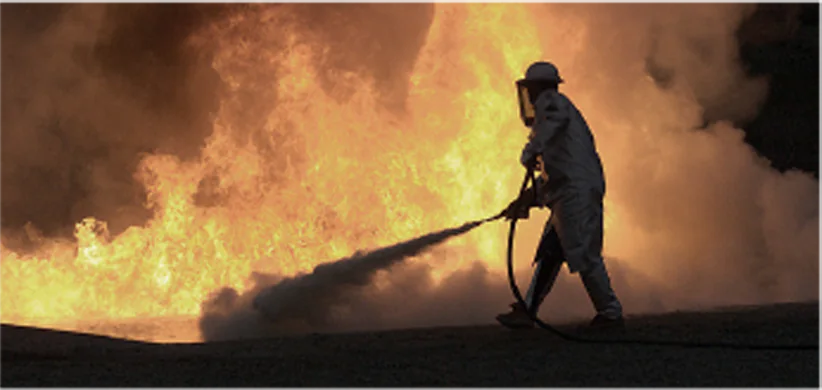
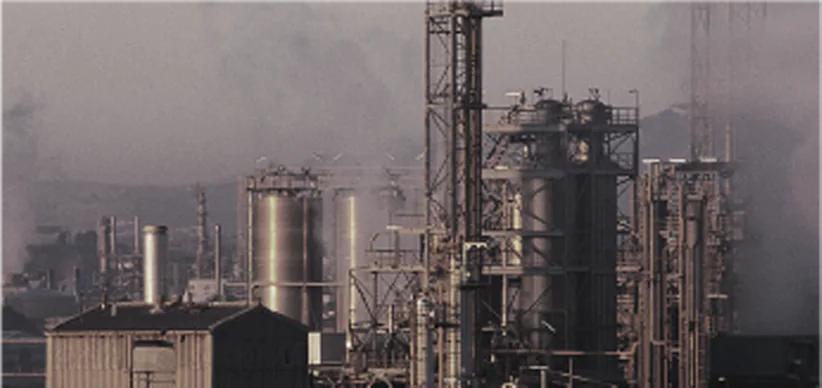
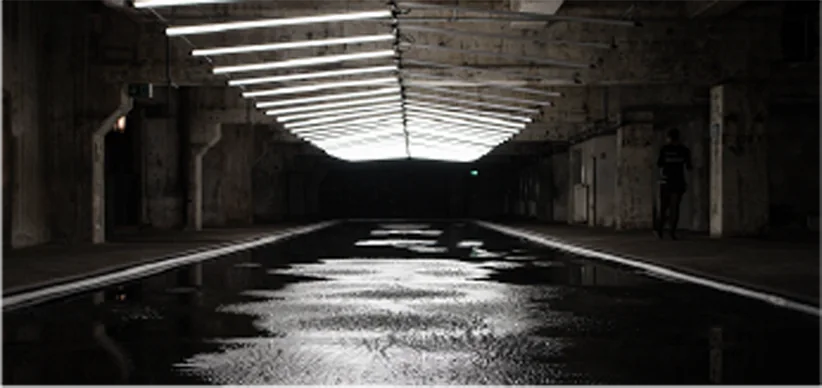
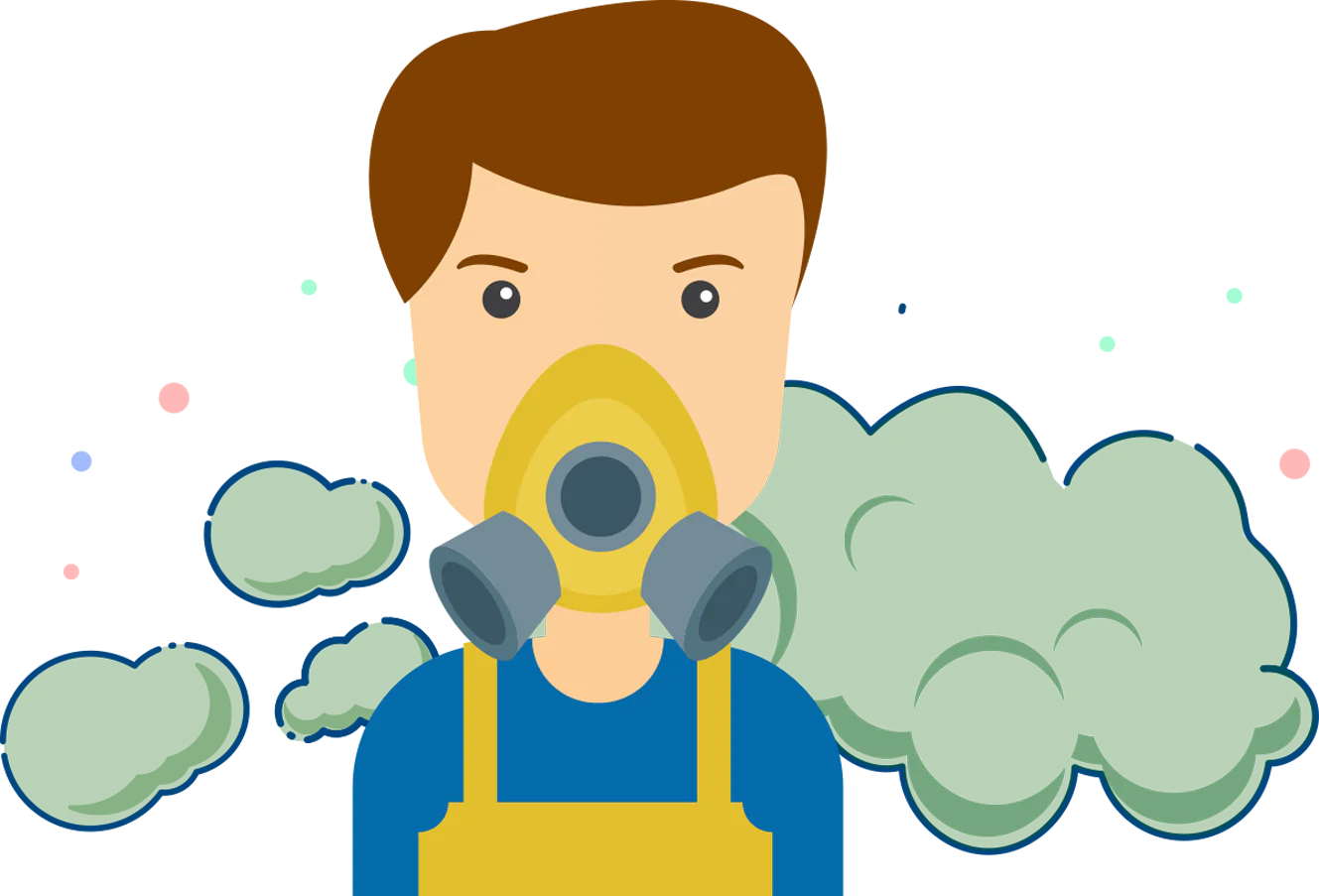
Chem Guard connects industrial form, environmental and neural sensing, and a companion mobile interface for hazardous environments. The challenge was making that system legible before, during, and after exposure, so users could understand what it sensed and what action remained possible.
Research
Every detail had to work under pressure.
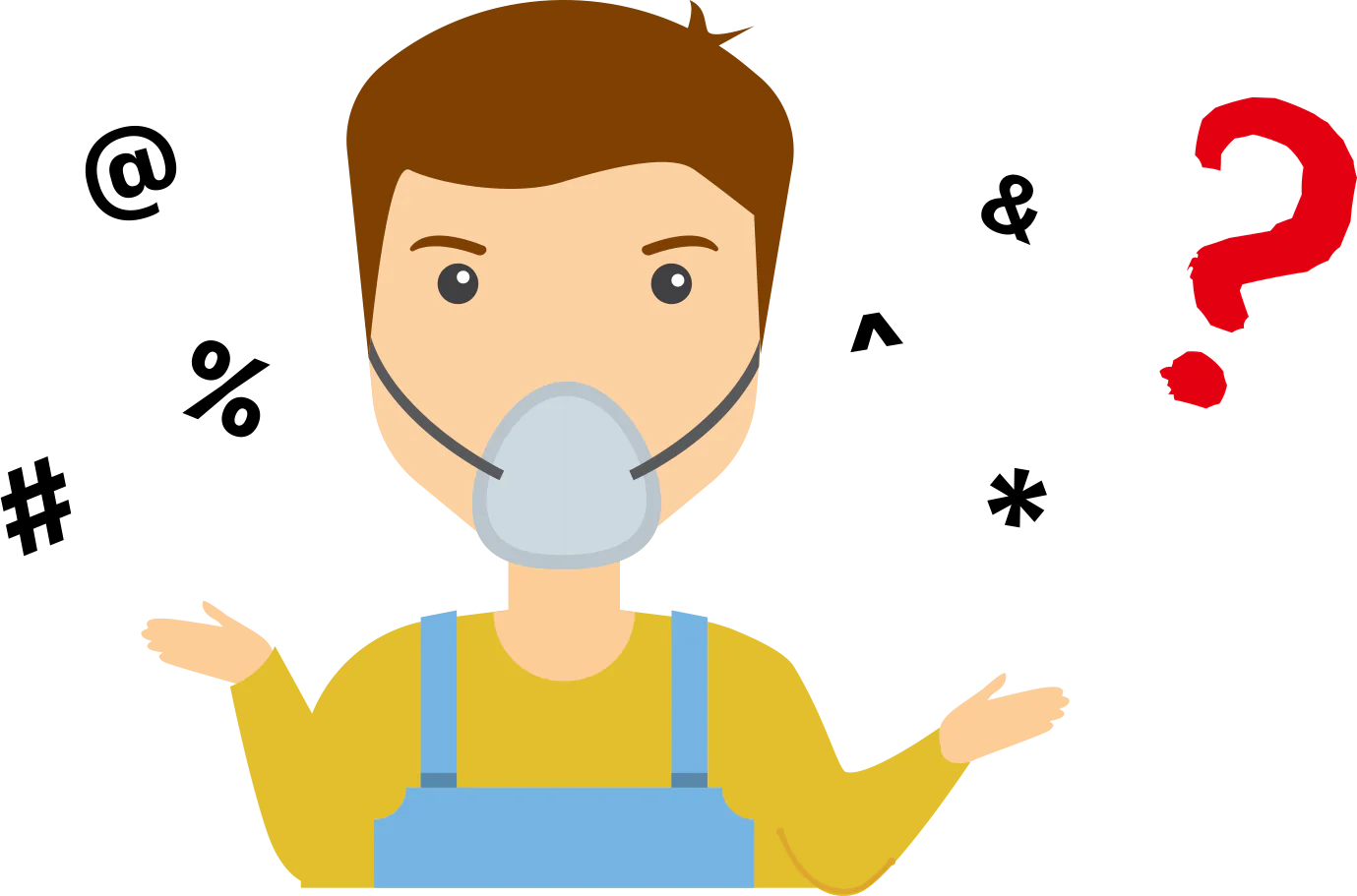
Research moved between sketching, form modeling, usage scenarios, and functional layout studies. The goal was not to decorate a gas mask, but to understand how its physical parts could support awareness, protection, and movement.
Product Direction
Turn three concerns into one protective system.
Research pointed to three connected needs: knowing when protection is working, understanding what the environment is doing, and staying connected to the people around you. Product direction turned those needs into one coherent system.
Direction 01
Make protection legible.
Surface filter and device status before uncertainty becomes risk.
Direction 02
Read the environment.
Translate air-quality signals into feedback people can understand and act on.
Direction 03
Keep communication open.
Support hearing, speaking, and coordination when the mask makes direct communication harder.
Prototype
Make protection visible, tangible, and ready to act.
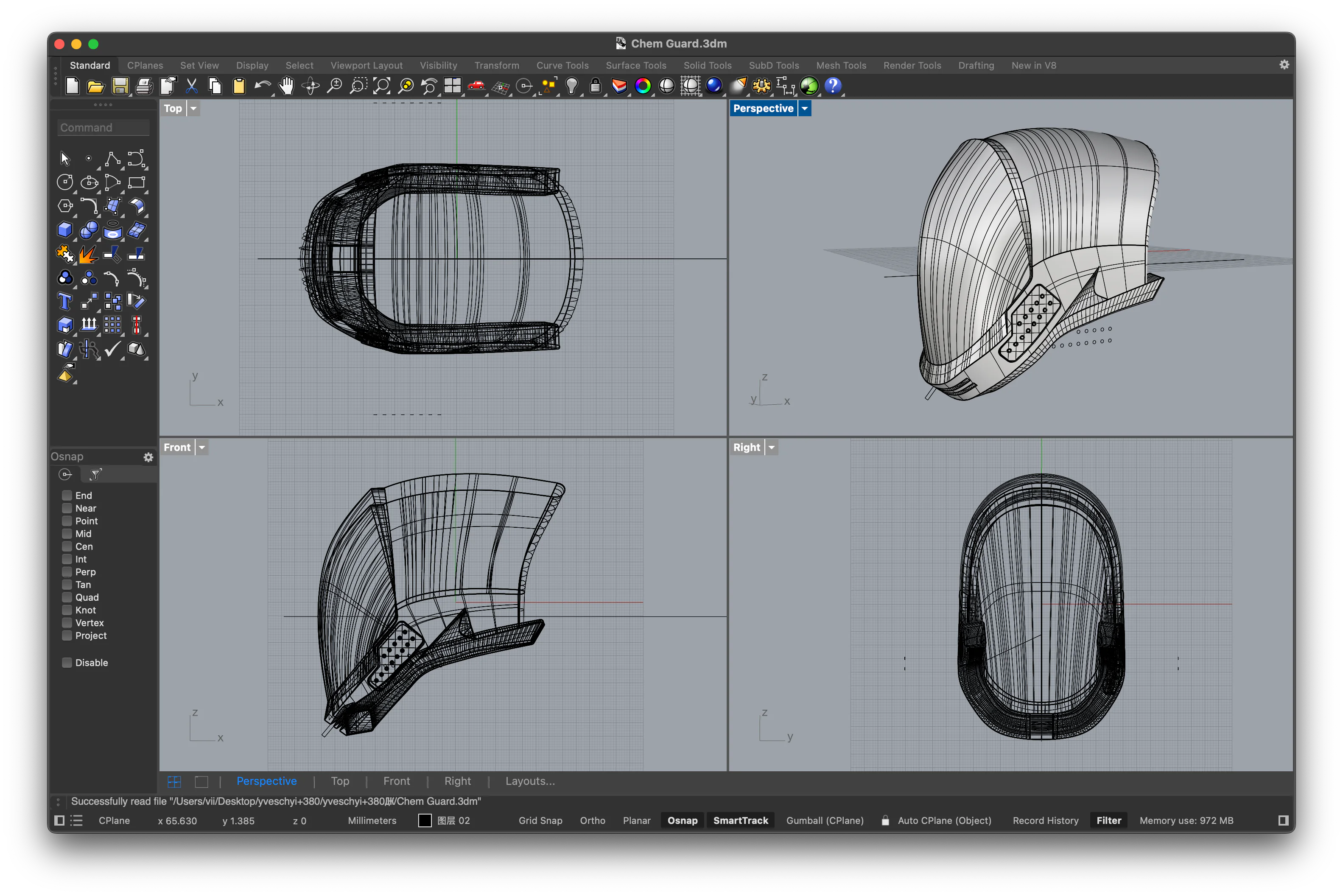
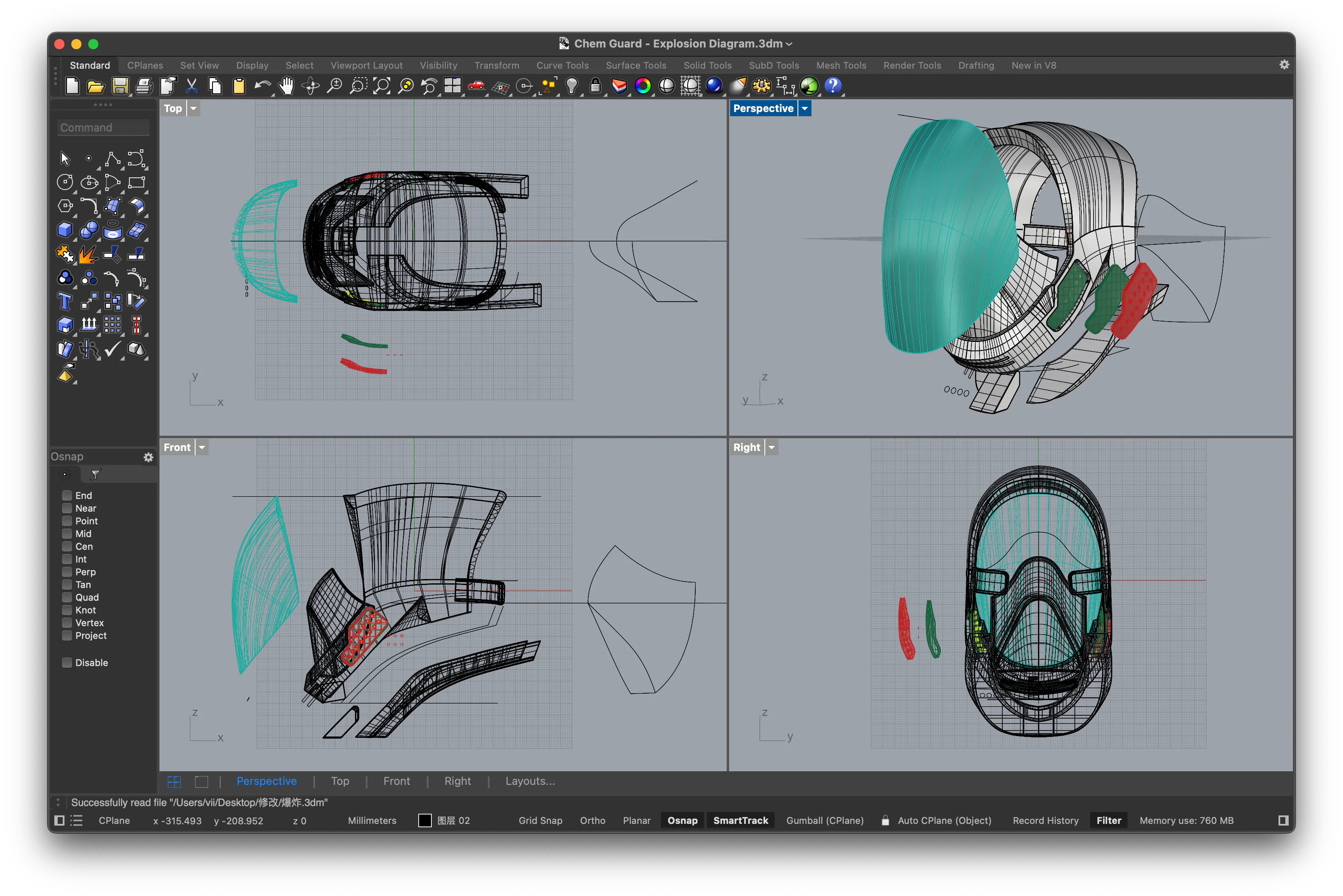
3D modeling helped validate proportion and fit, while interface studies connected the mask, sensing layer, and mobile feedback. The prototype kept the physical object and its digital system tied to the same safety logic.
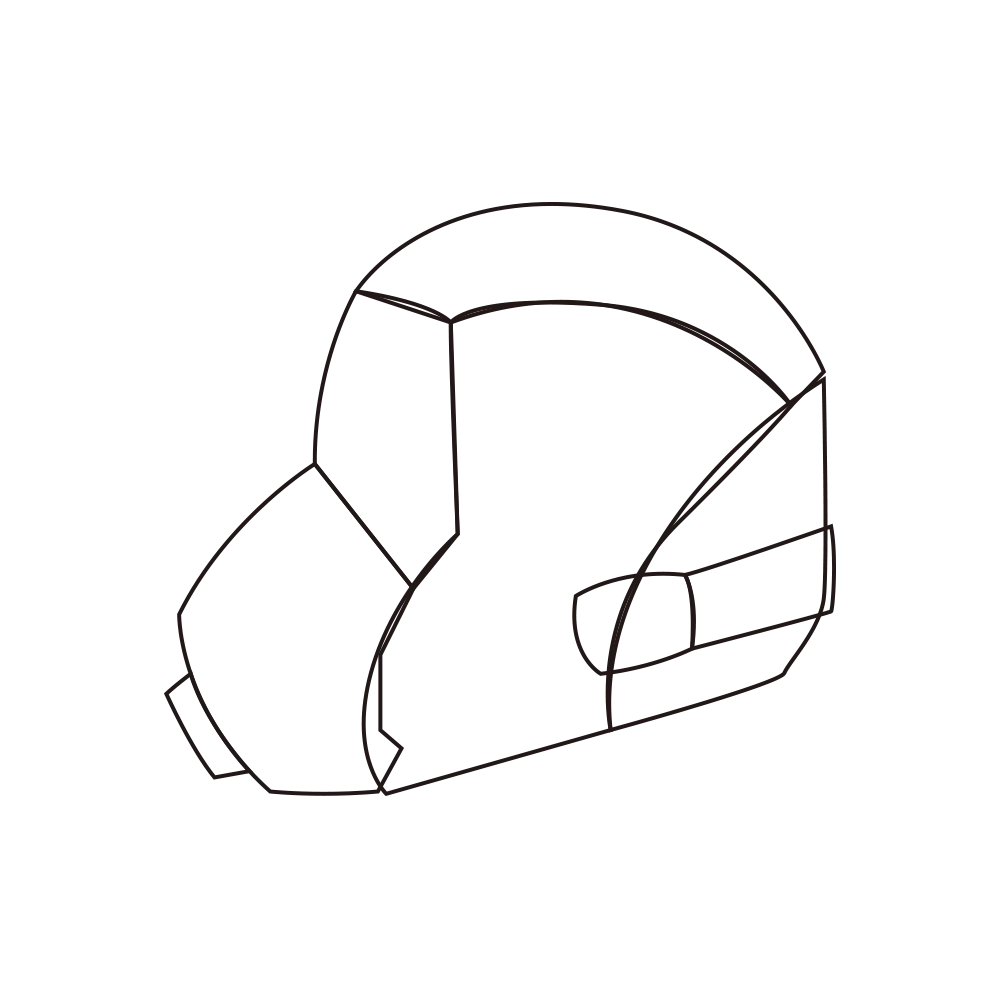
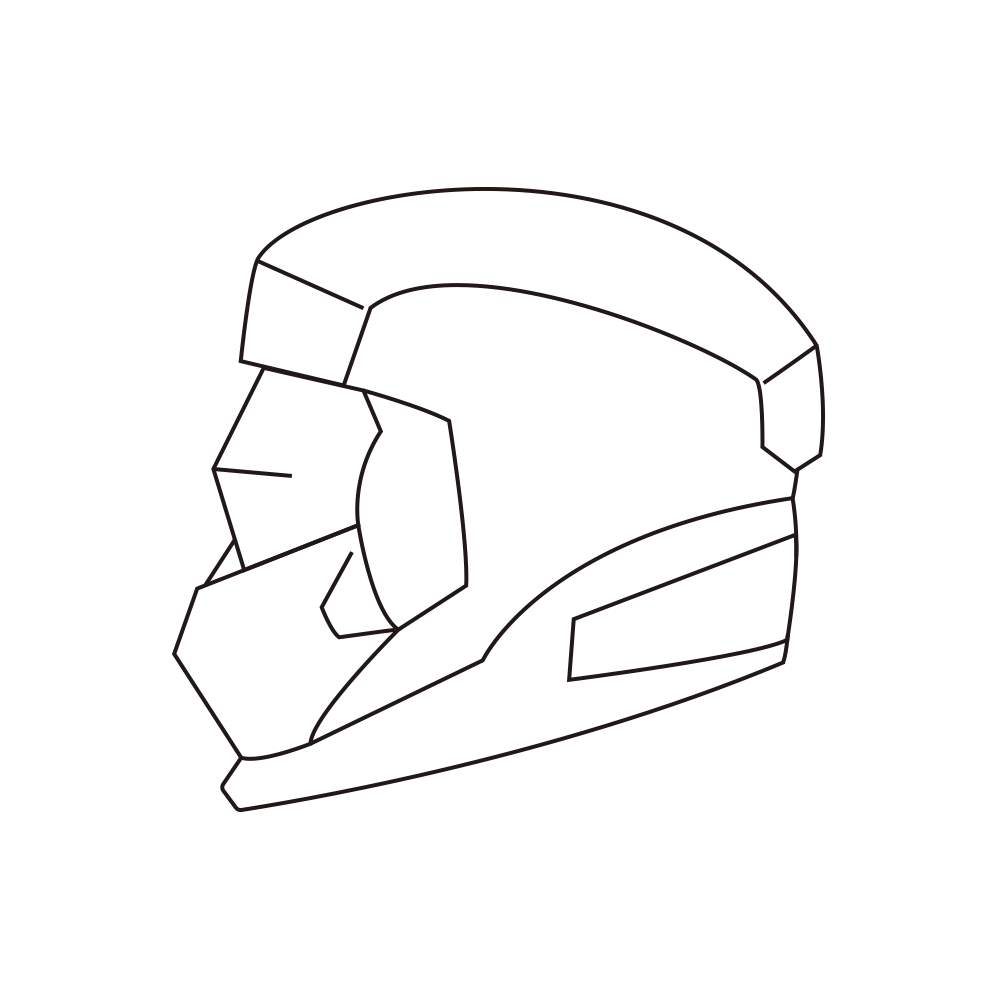
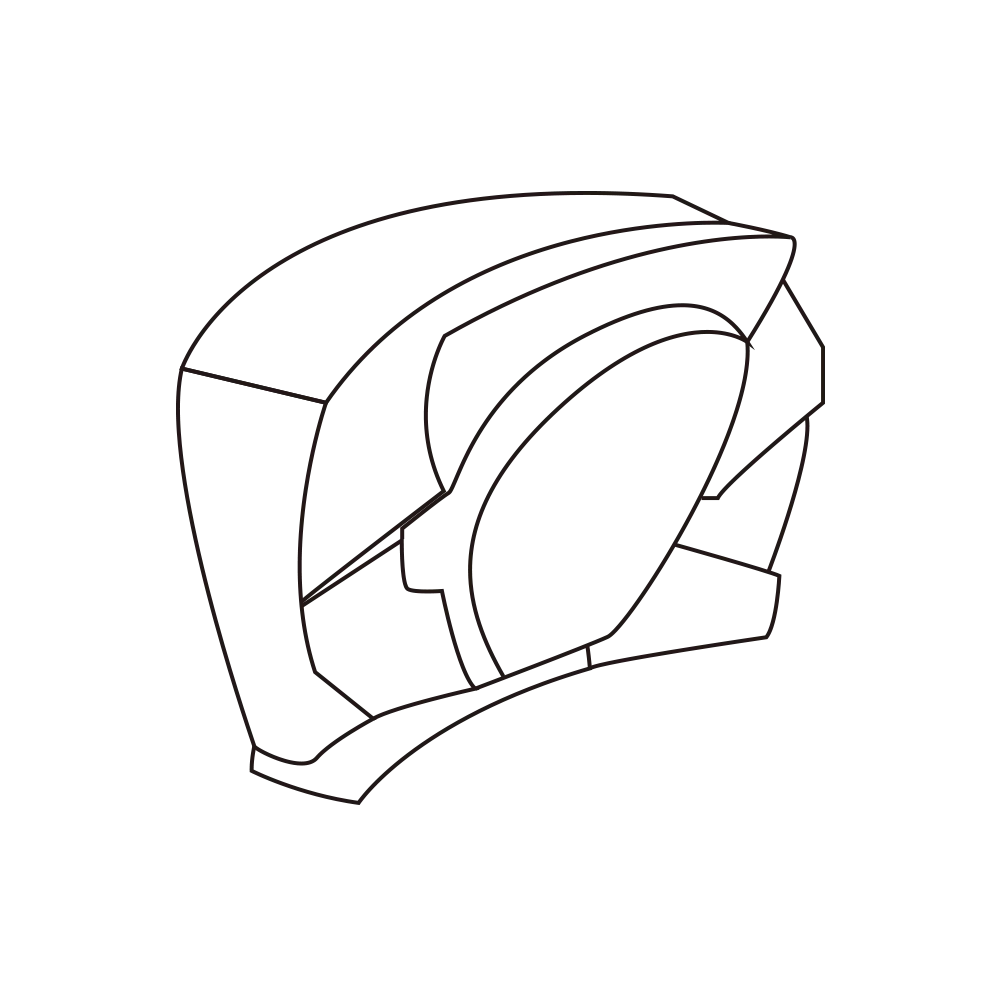
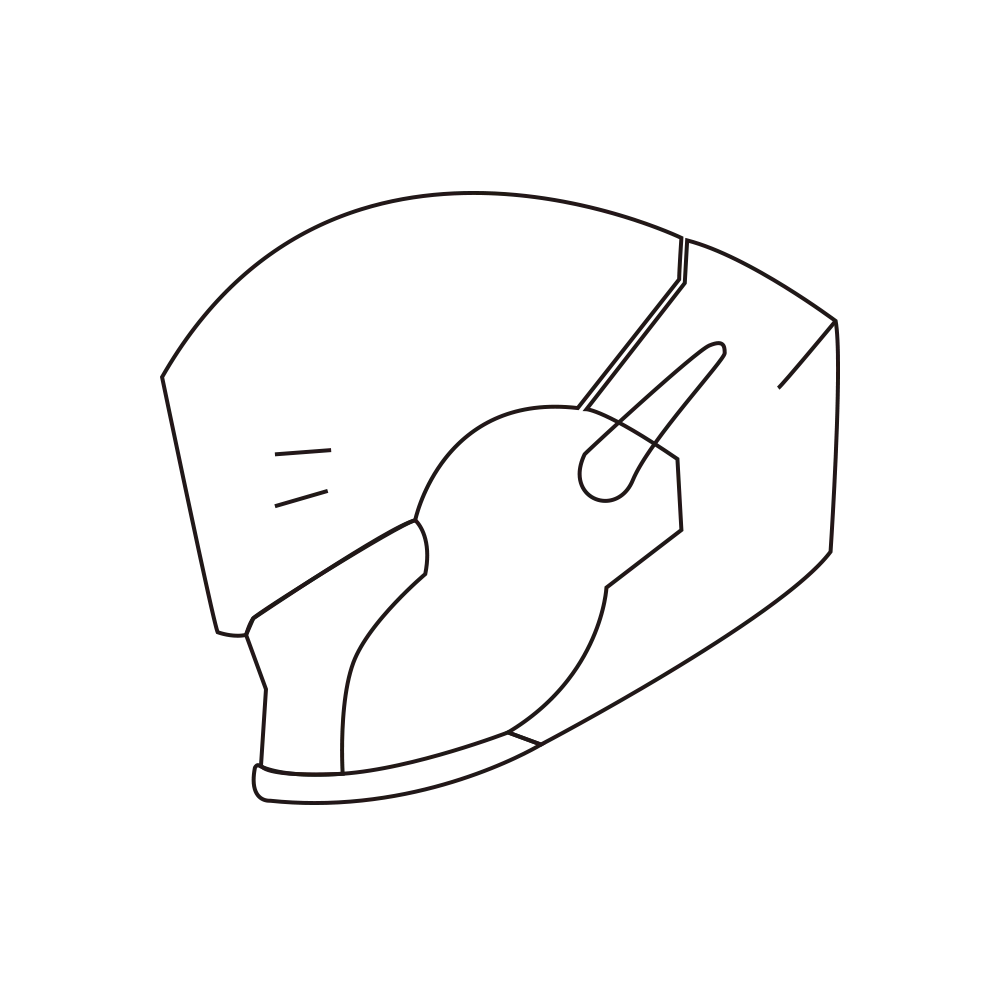
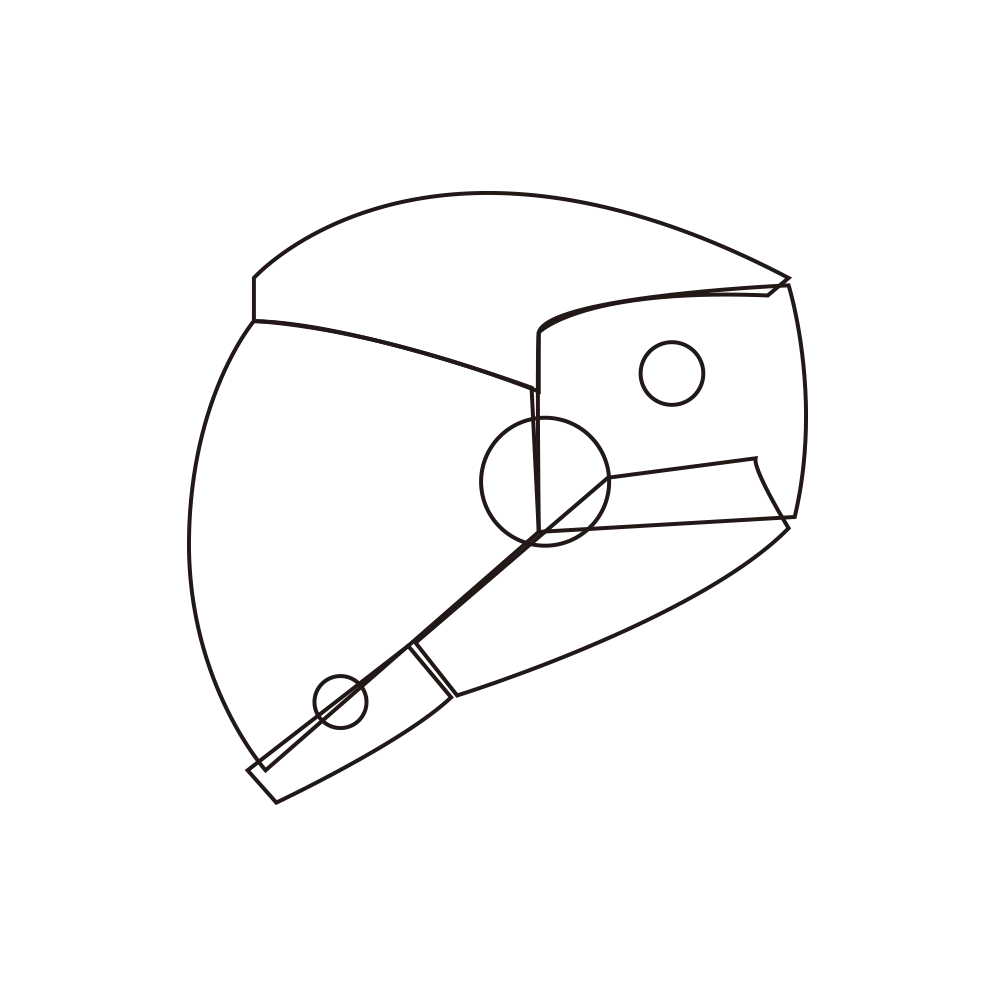
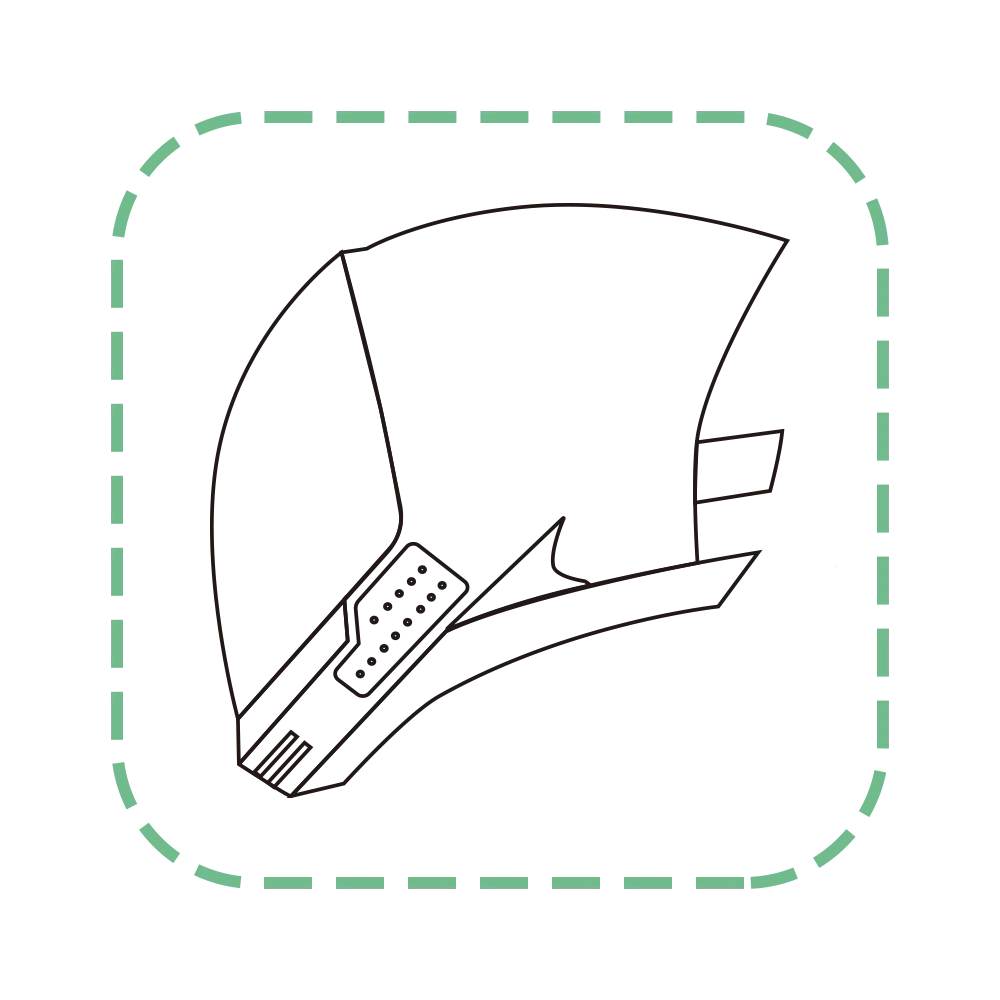
3D Modeling: Form studies tested proportion, fit, and how the protective system could hold its sensing components together.
Industrial Design
Turn the protective concept into a physical system.
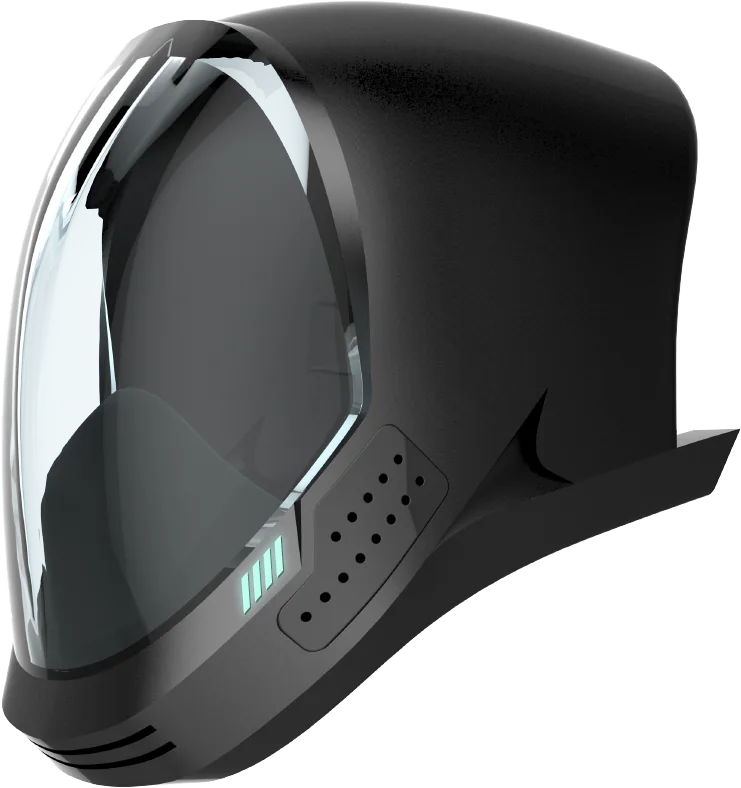
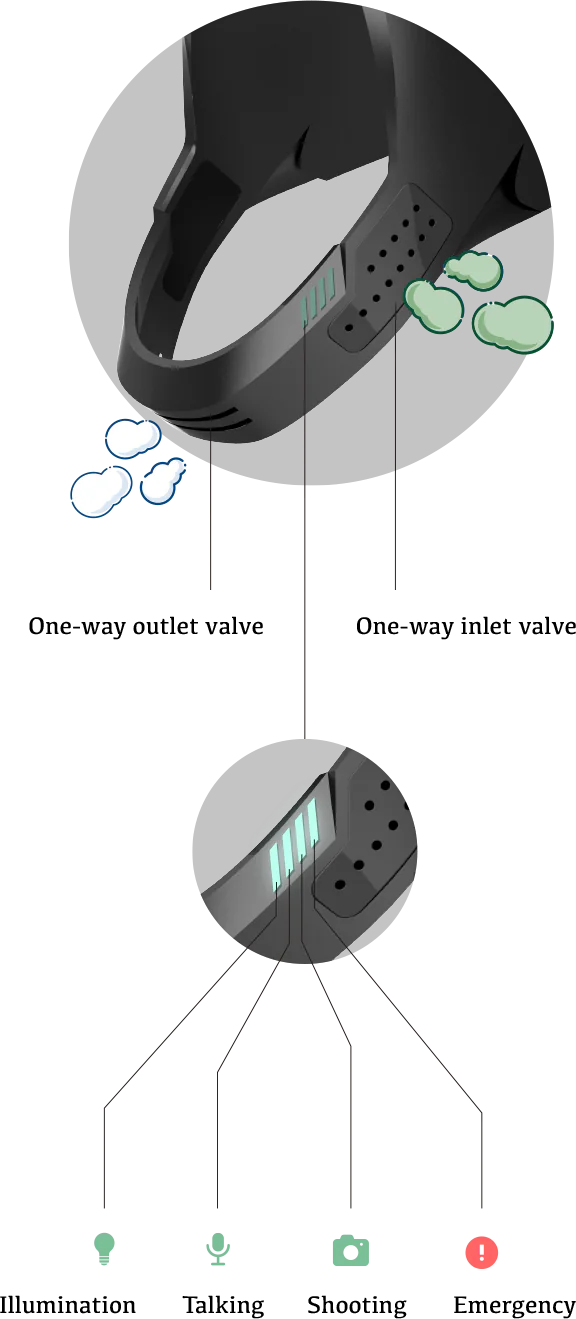
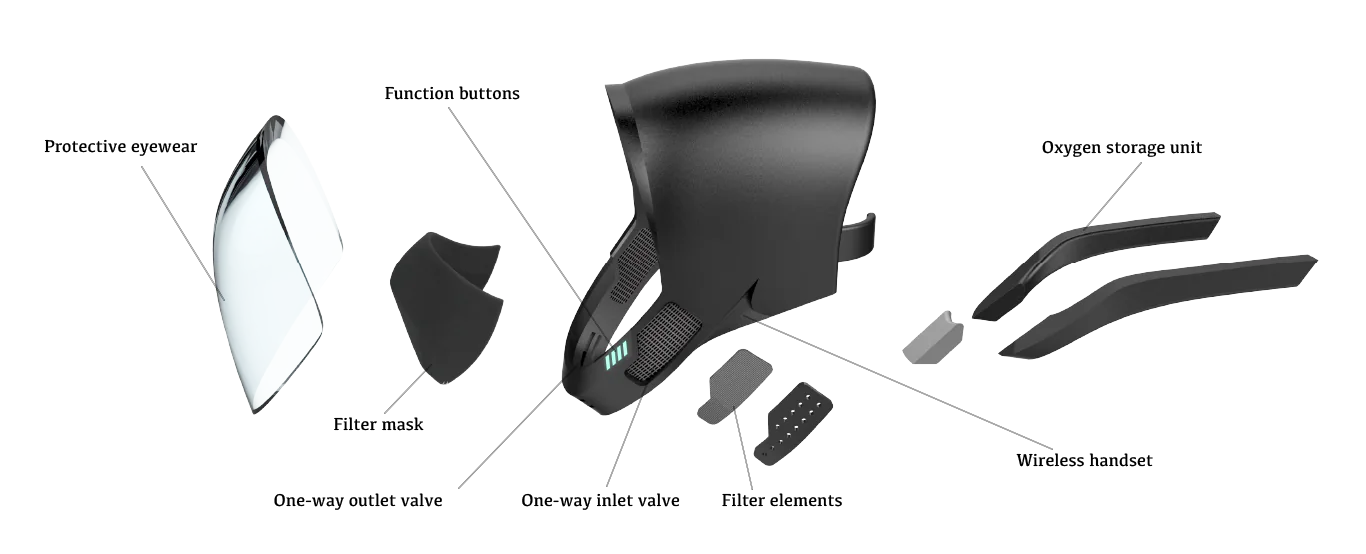
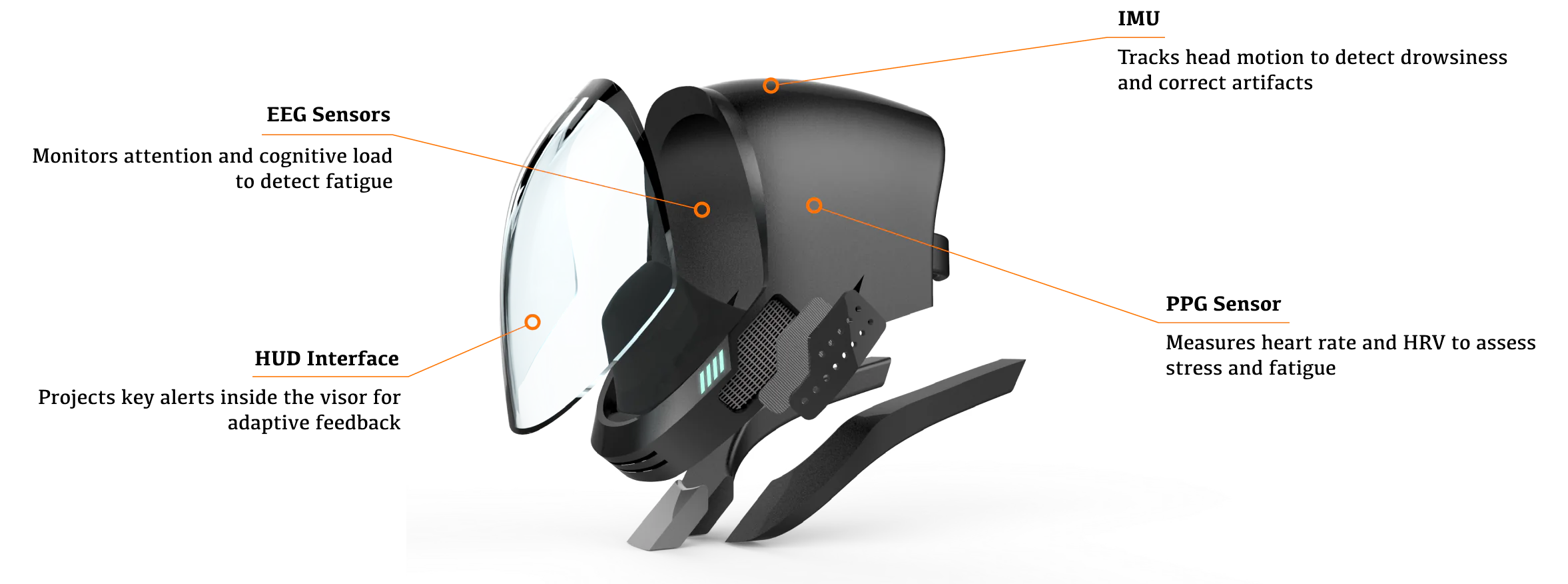
The final form studies resolved proportion, airflow, component relationships, and fit. The exploded view shows how the mask comes together as one product rather than a collection of isolated features.
Neural Interface
Safety can extend beyond the physical.
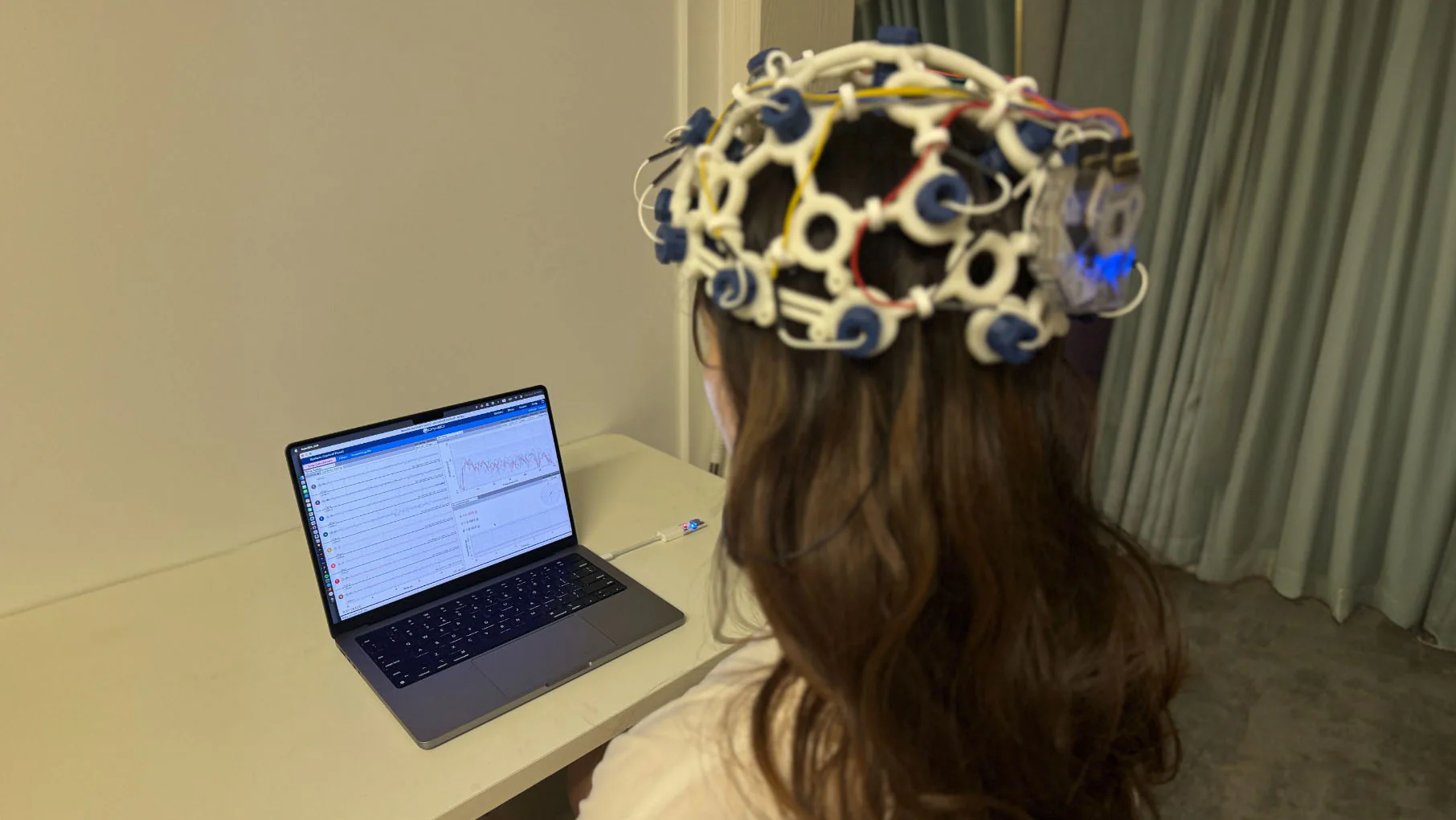
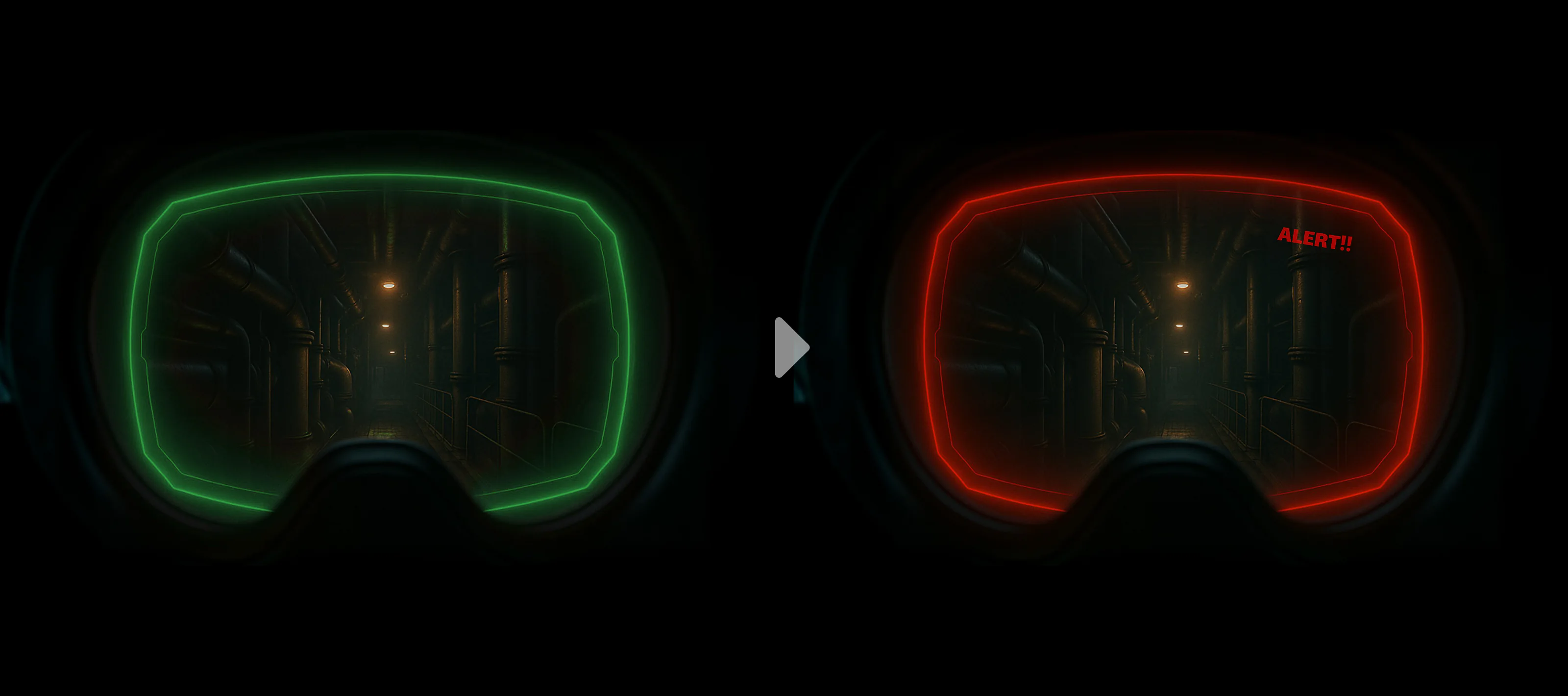
An EEG-enabled interface adds a cognitive safety layer to the protective system, using attention and fatigue signals to adapt feedback and support action under pressure.
Communication Design
Keep people connected when the environment gets in the way.
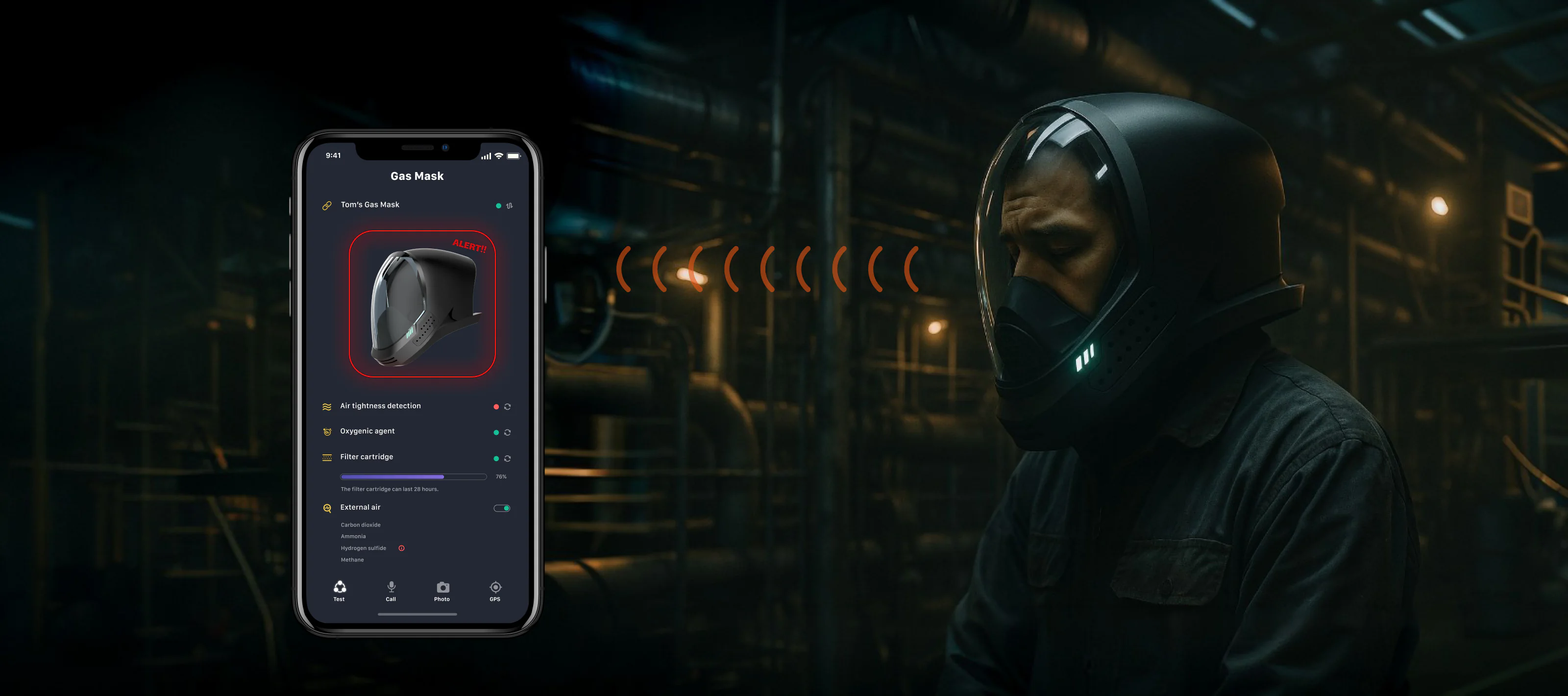
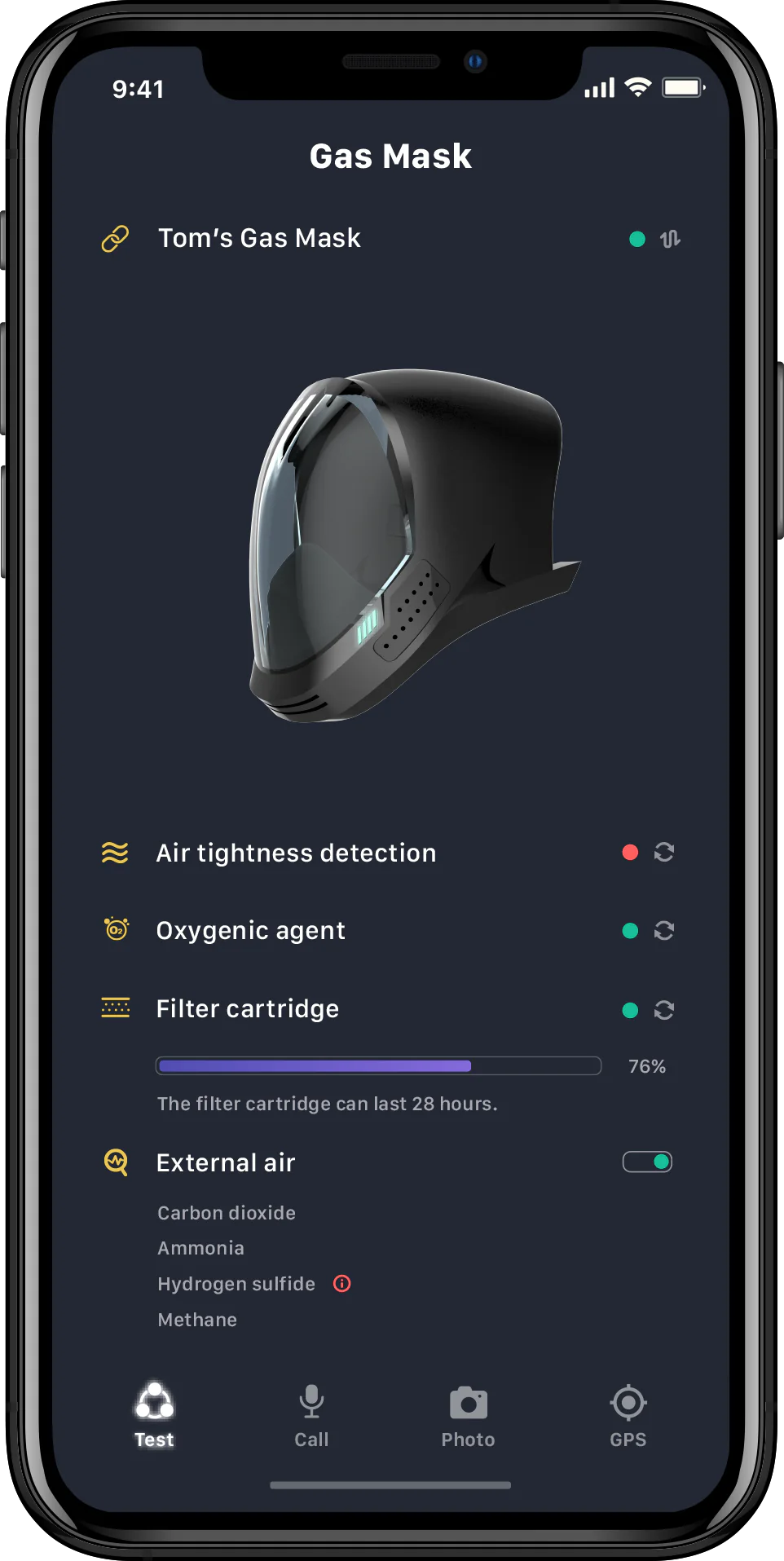
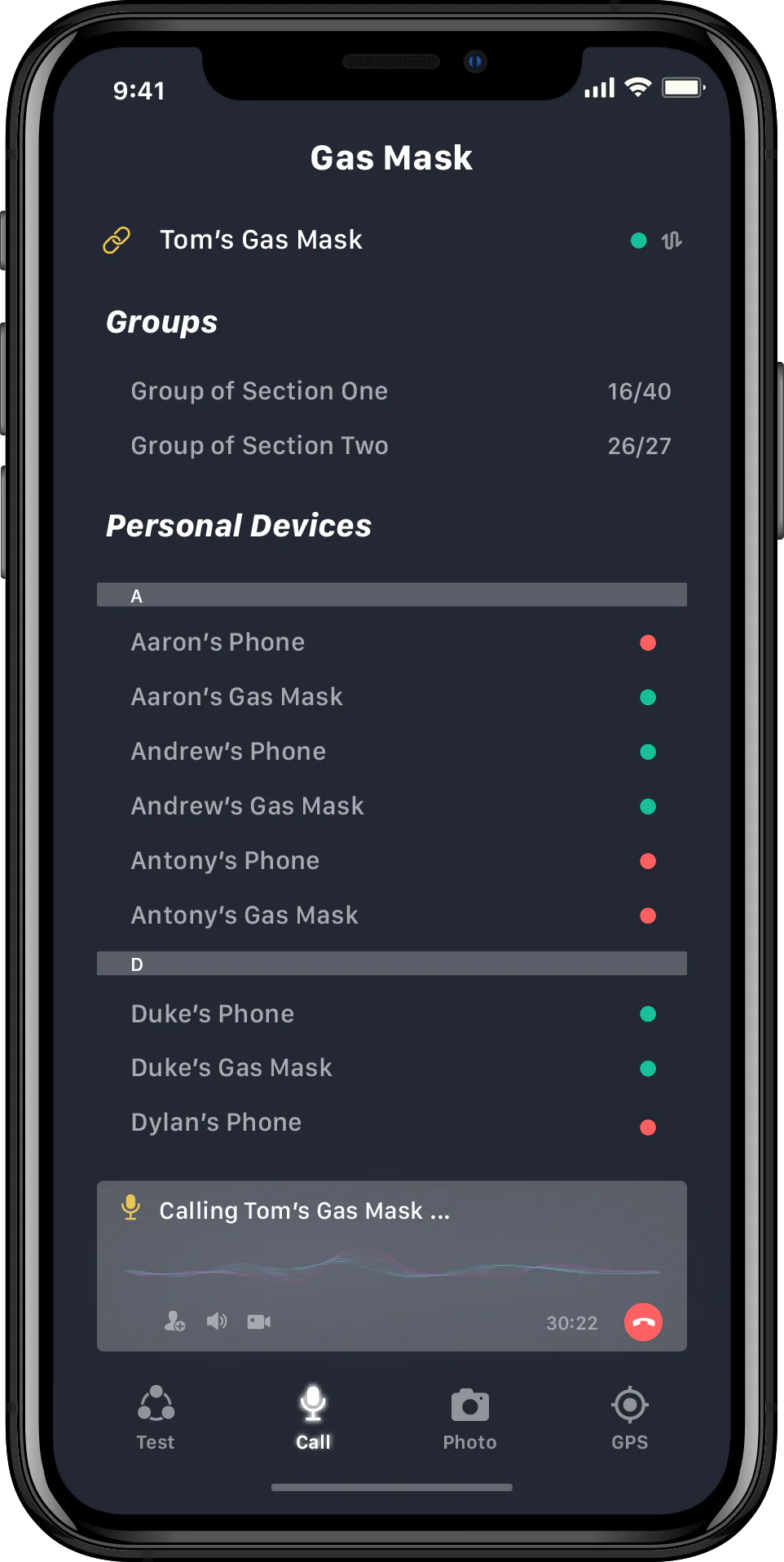
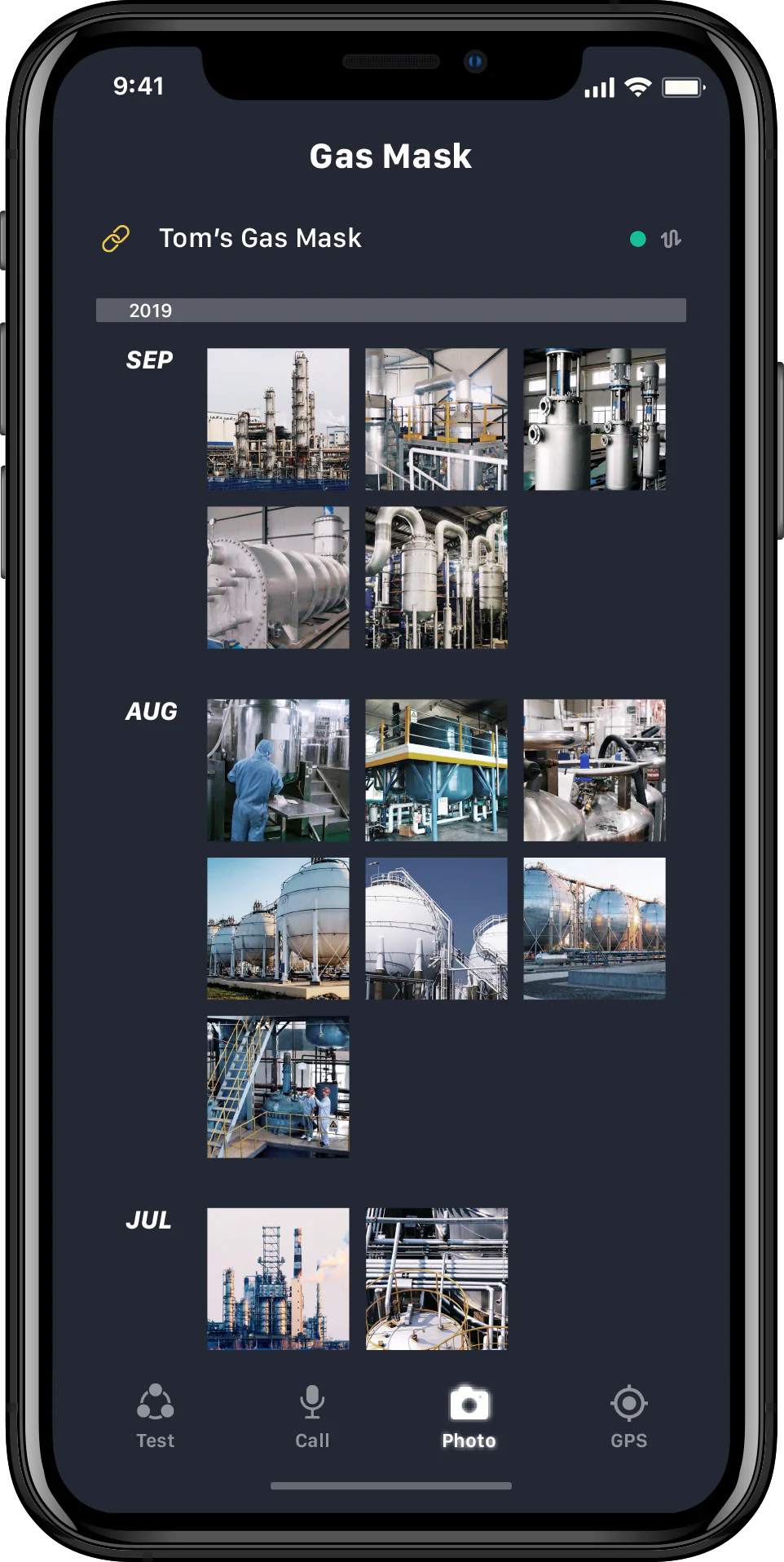
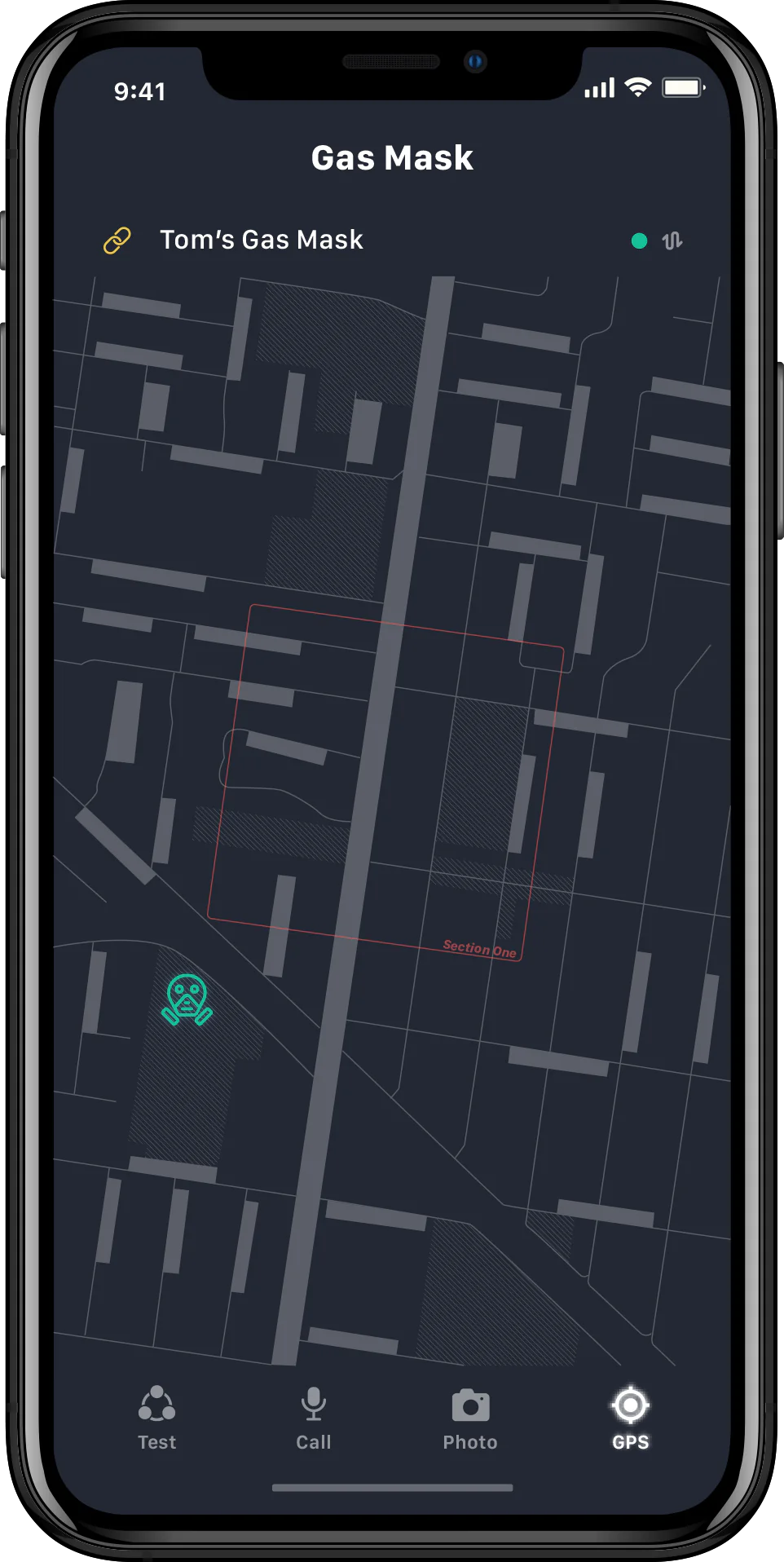
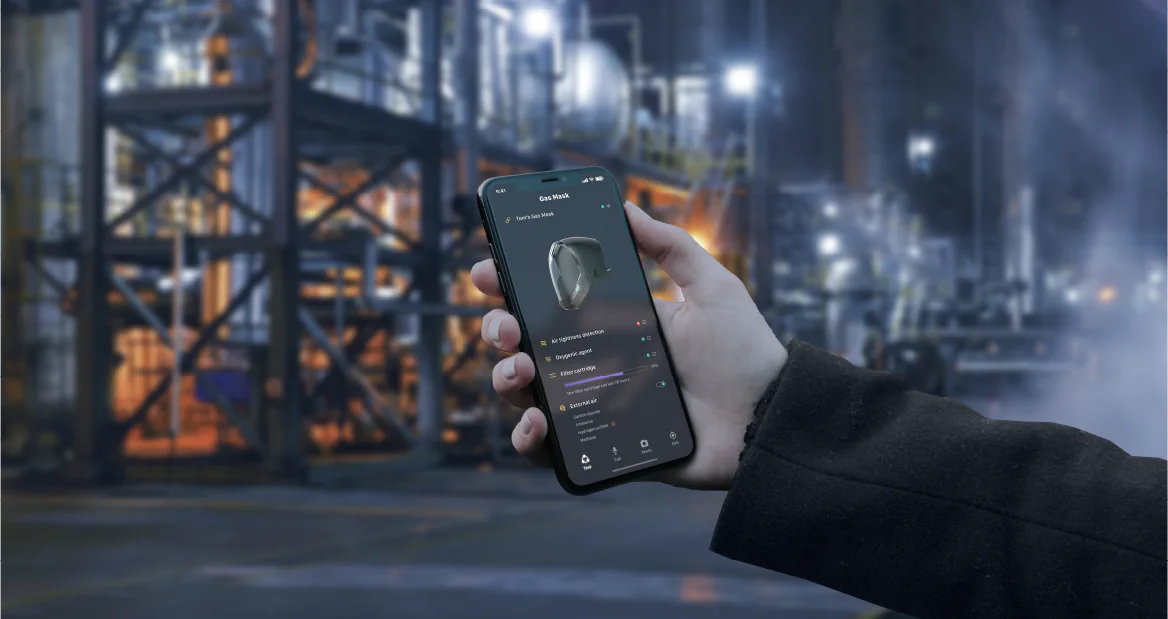
The companion interface carries status, calls, photos, location, and alerts beyond the mask, giving teams a shared view when direct hearing and speaking become harder.
Mobile interface:
Reflection
Design beyond the object.
Chem Guard taught me that a protective product is not just a shell or an app. The wearable, sensing layer, physical environment, and mobile interface have to work together to make risk easier to read and action easier to take.