B2C Product Design · 2021
Glamhub
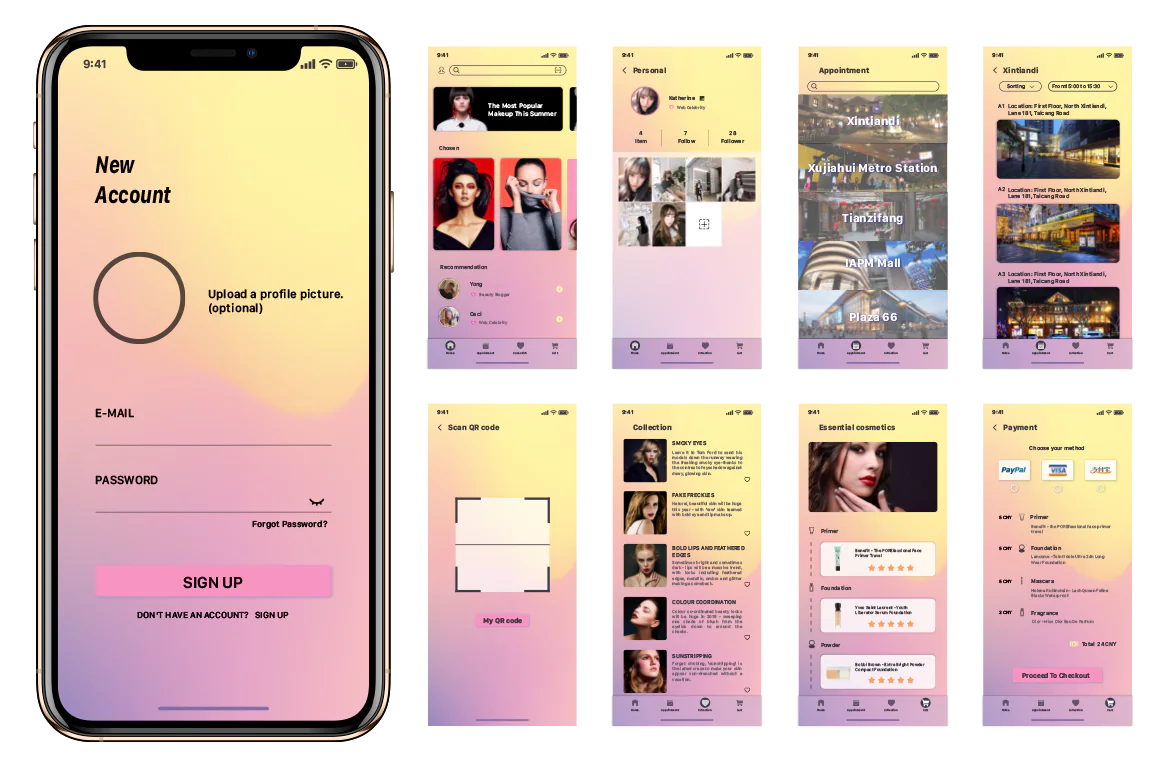
A shared dressing room for exploring premium makeup products through a mobile app.
- Role
- Product Designer
- Scope
- 0 → 1 Service Experience
- Team
- Cross-functional Team
Background
A shared dressing room for everyday makeup access.
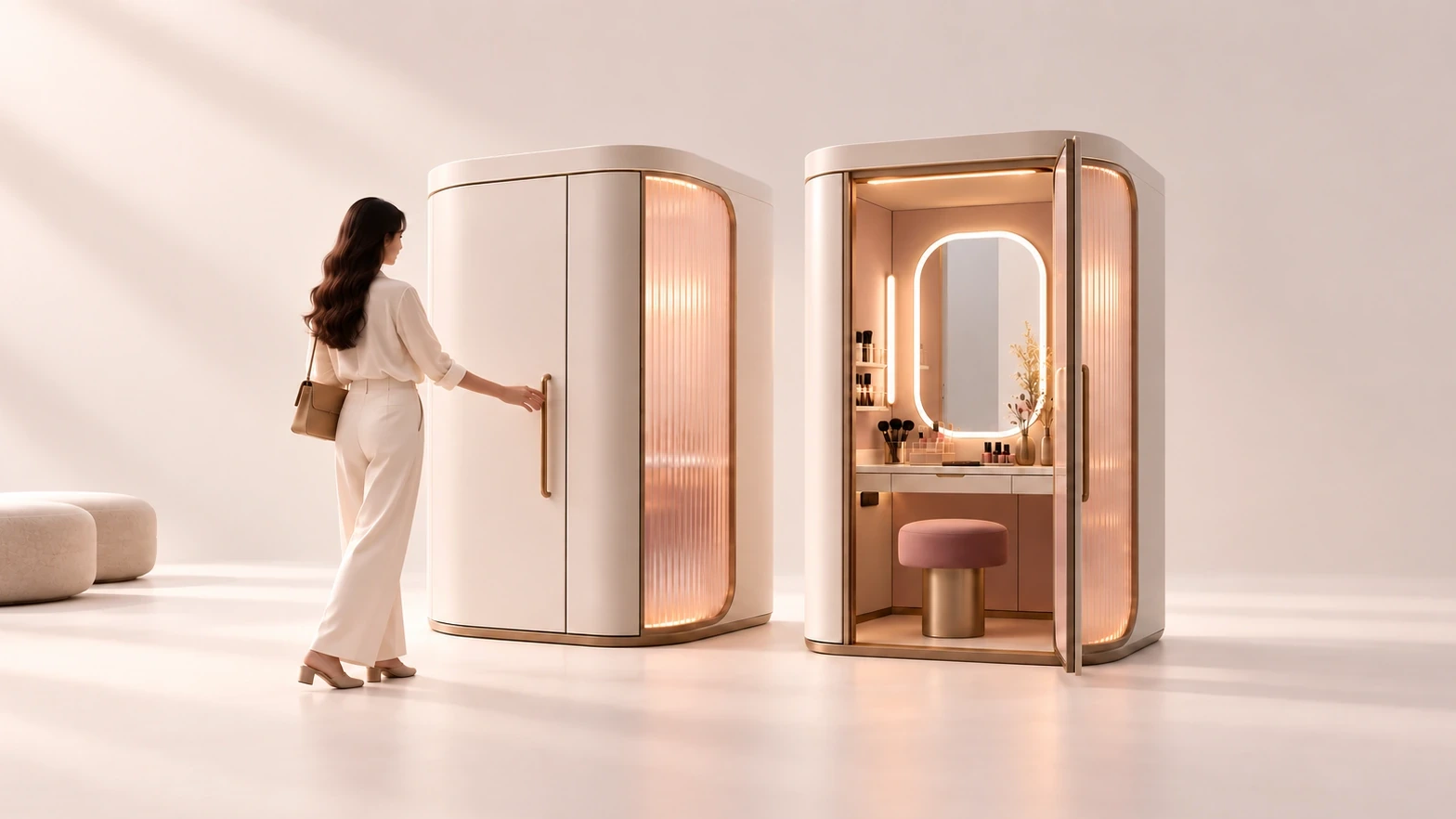
Glamhub creates a citywide network of shared dressing rooms for people who need occasional access to cosmetics, a wider range of brands, or a more private place to get ready.
Users reserve a location and time through the mobile app, then explore premium samples in person.
Research
Occasional makeup routines need more convenient access.
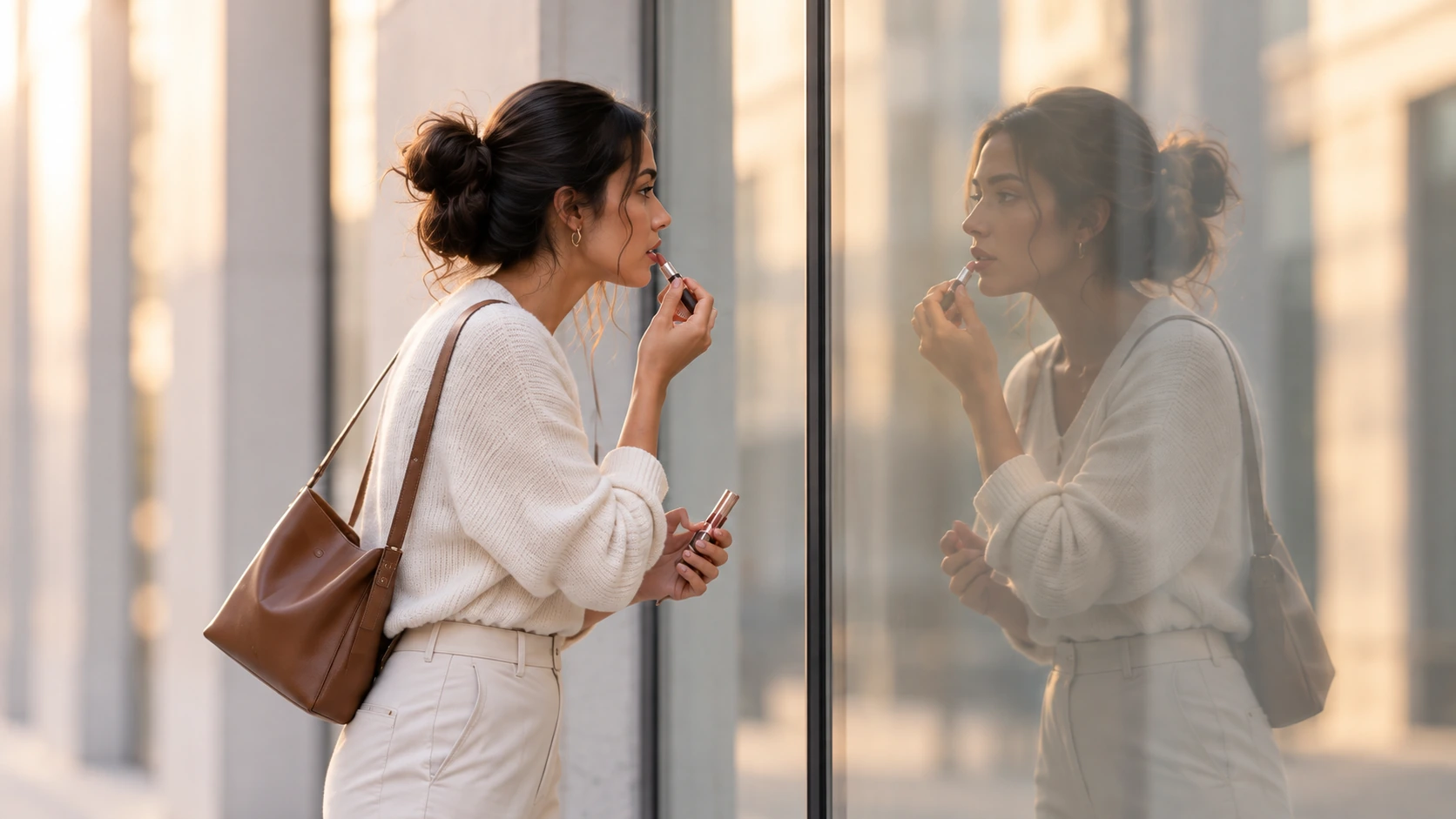
Research with white-collar workers and students surfaced a shared need: a convenient way to use makeup without buying a full collection or committing to a complicated appointment.




Storyboard
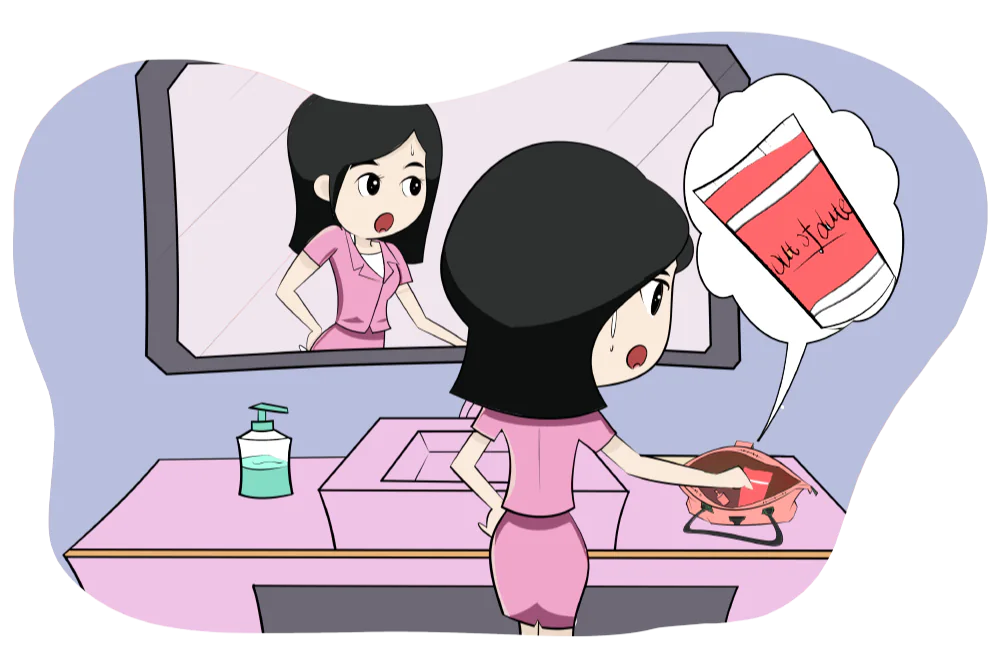
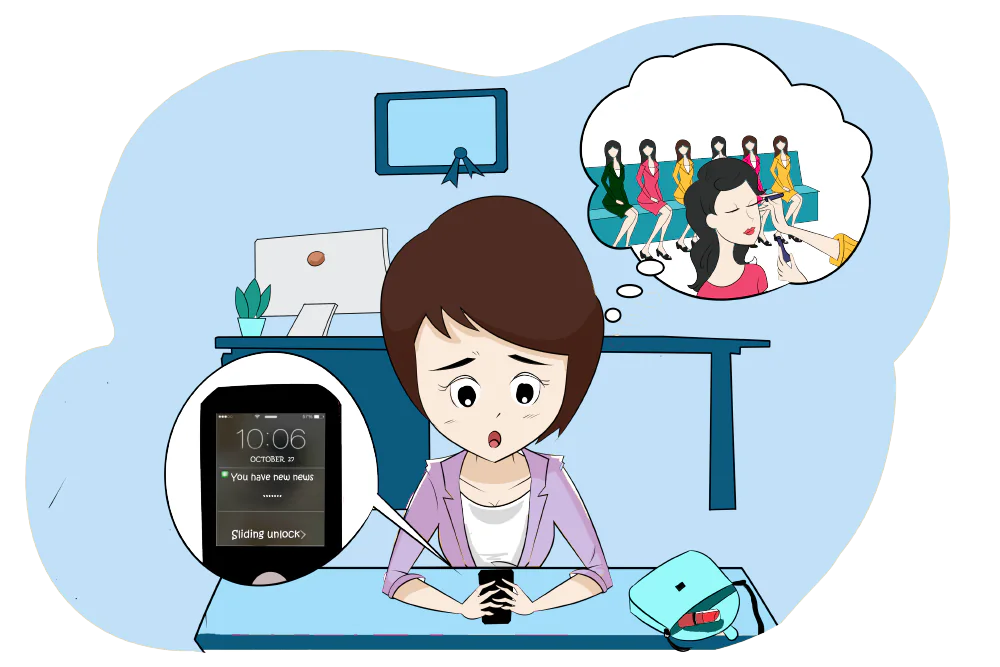
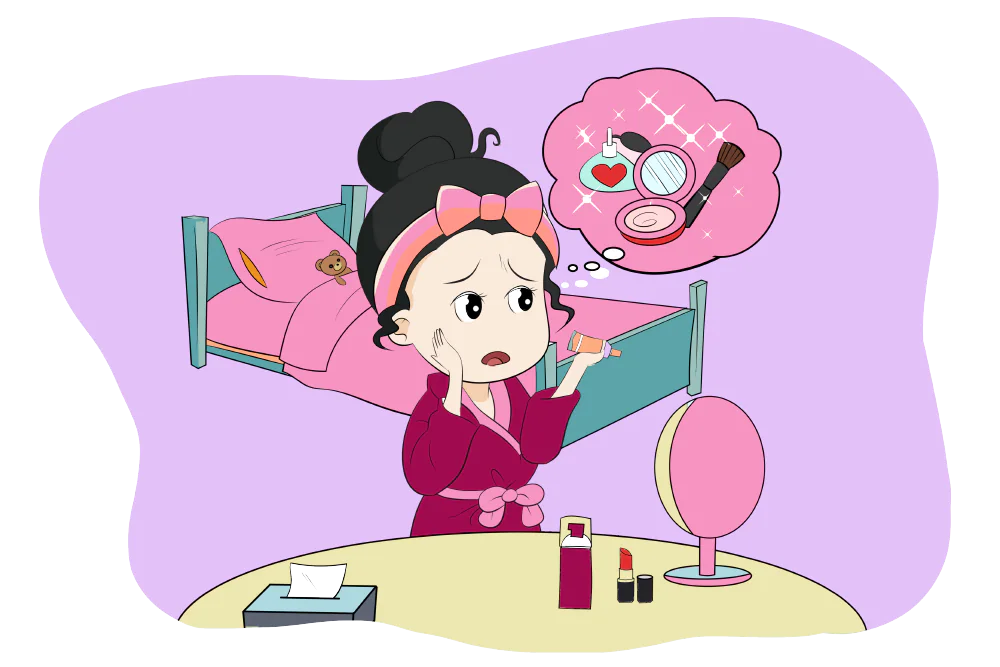
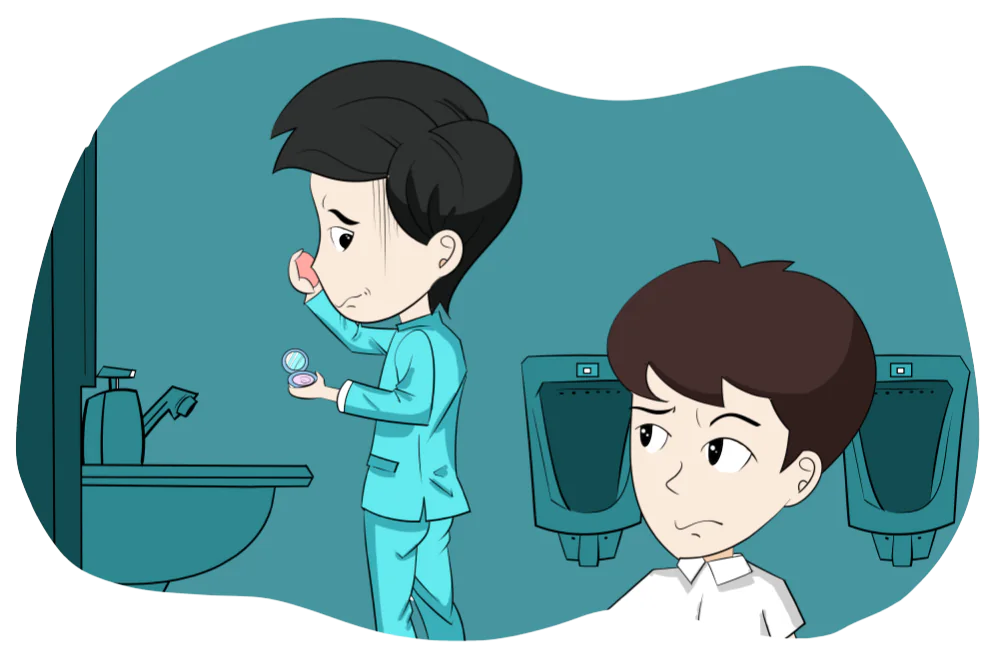
Four moments revealed where makeup access broke down.
The storyboard captured four recurring frictions: impromptu touch-ups, inconvenient appointments, the cost of ownership, and the social discomfort some people face when seeking makeup.
Sharing Economy
Access matters more than ownership.
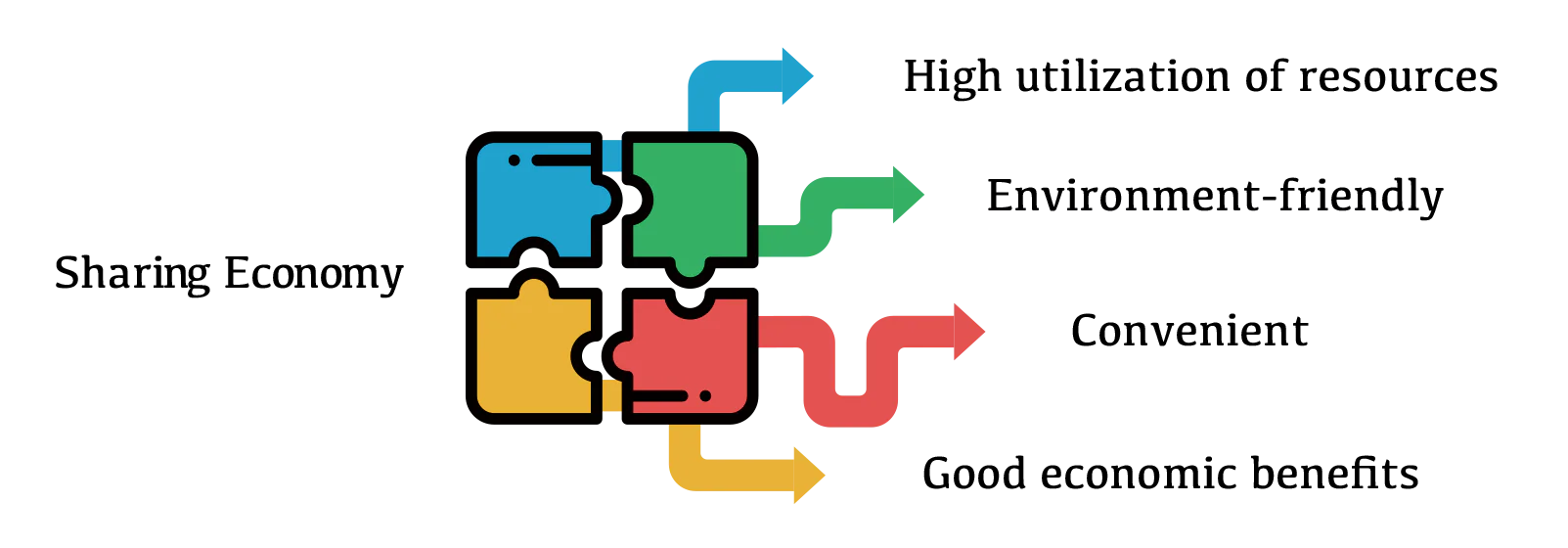
The service uses a sharing-economy model: digital tools connect underused resources with people who need them.
For GlamHub, that makes premium products and a prepared space available without requiring every user to own them.
The service model
Share the space. Extend access.
GlamHub connects underused spaces and sample products with people who need them occasionally, without asking them to own everything.
Brand Positioning
Premium products, without the premium commitment.
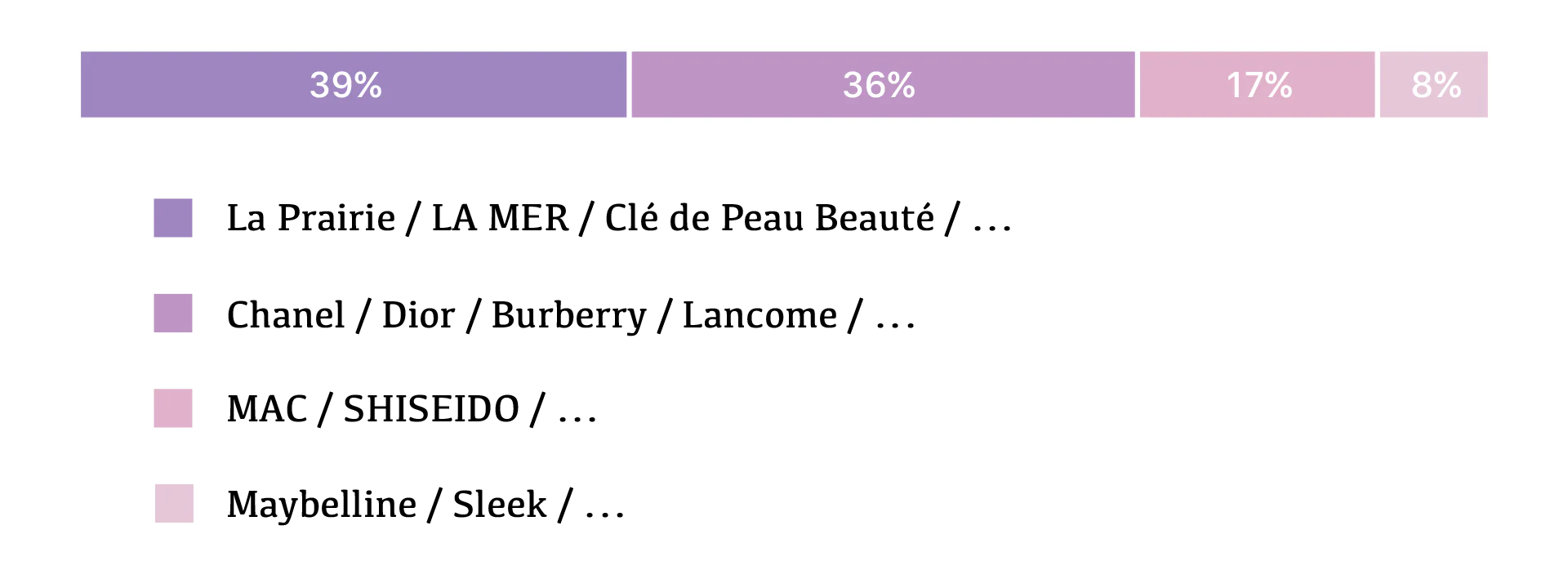
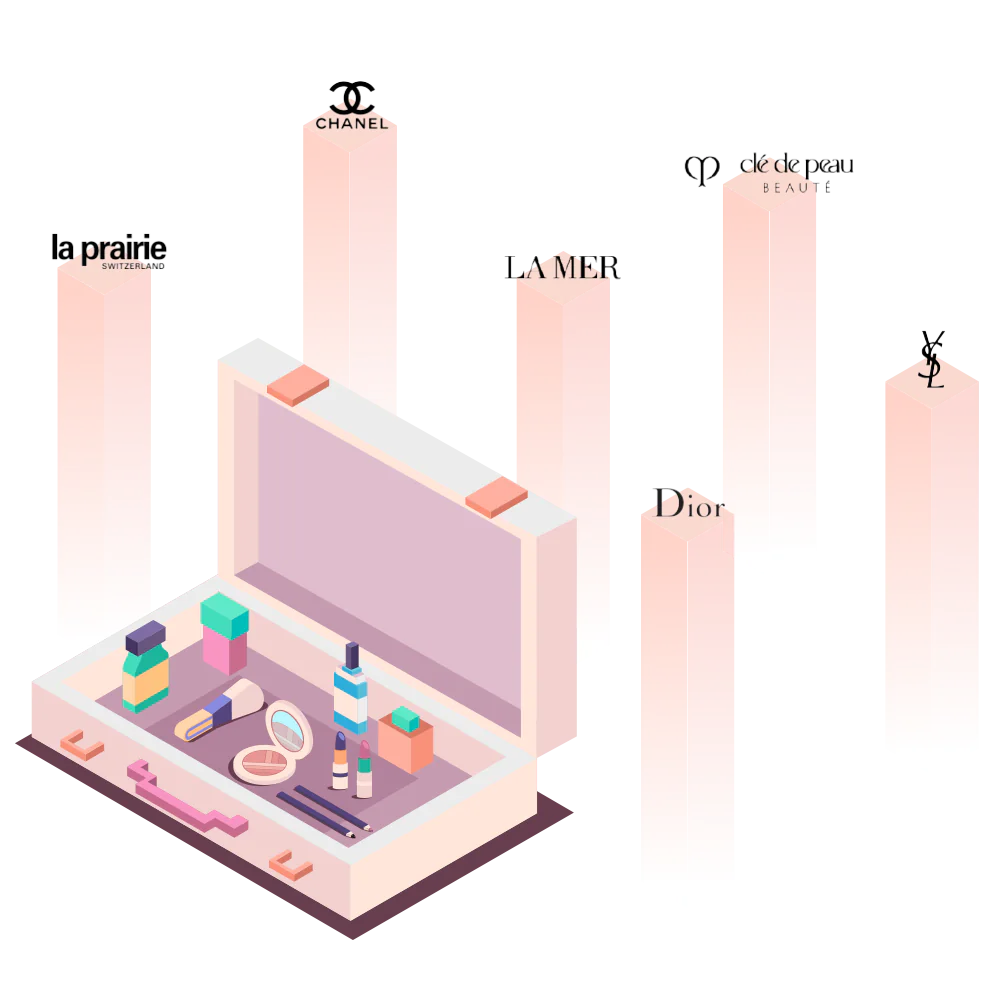
Research showed a preference for high-end brands. A shared model lets people try products they might otherwise avoid because of cost.
Location
Put the service where people already go.
To reduce friction, we placed the service in high-traffic locations such as shopping malls and campuses.






User Flow
One path from intent to preparation.
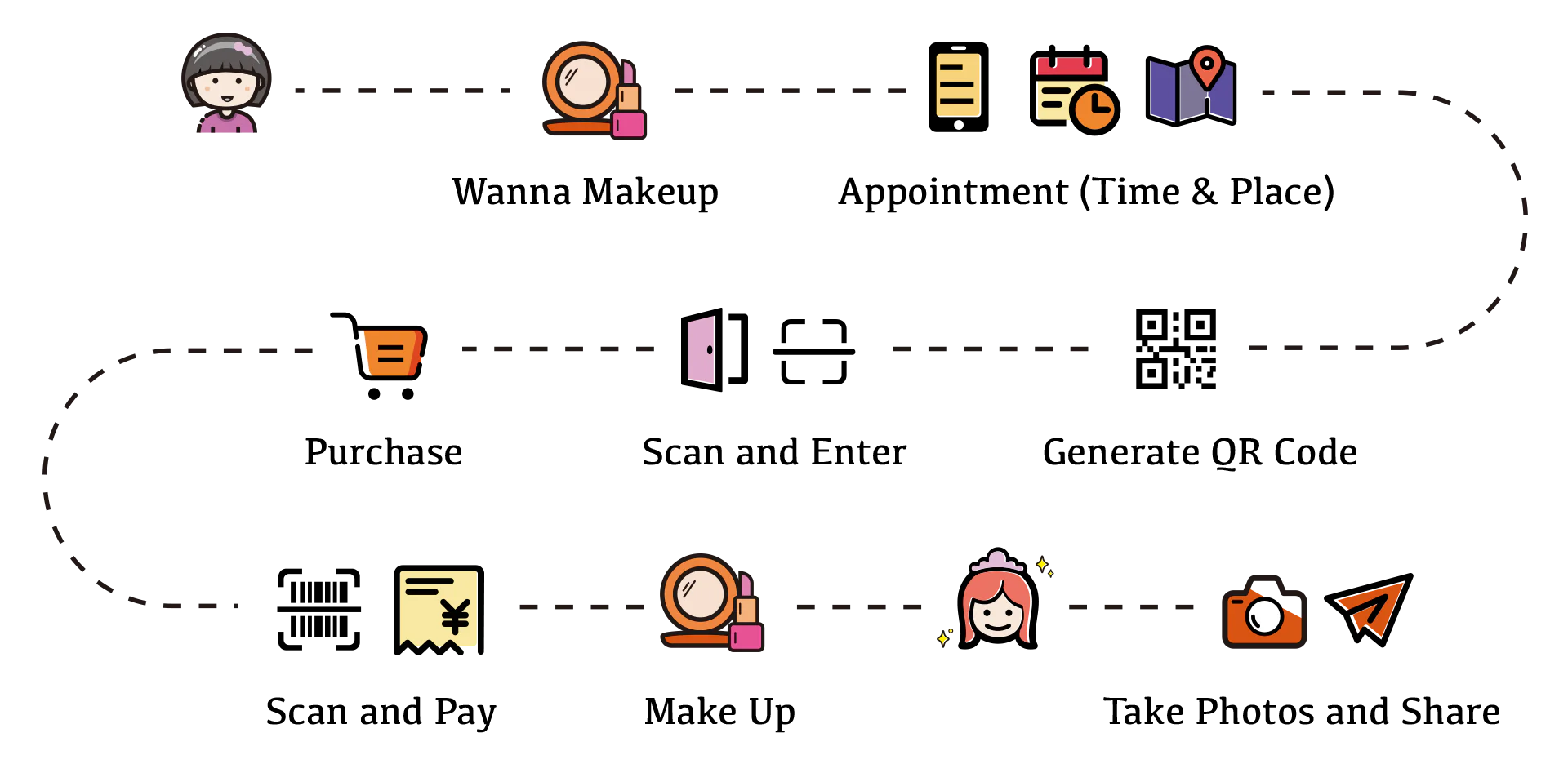
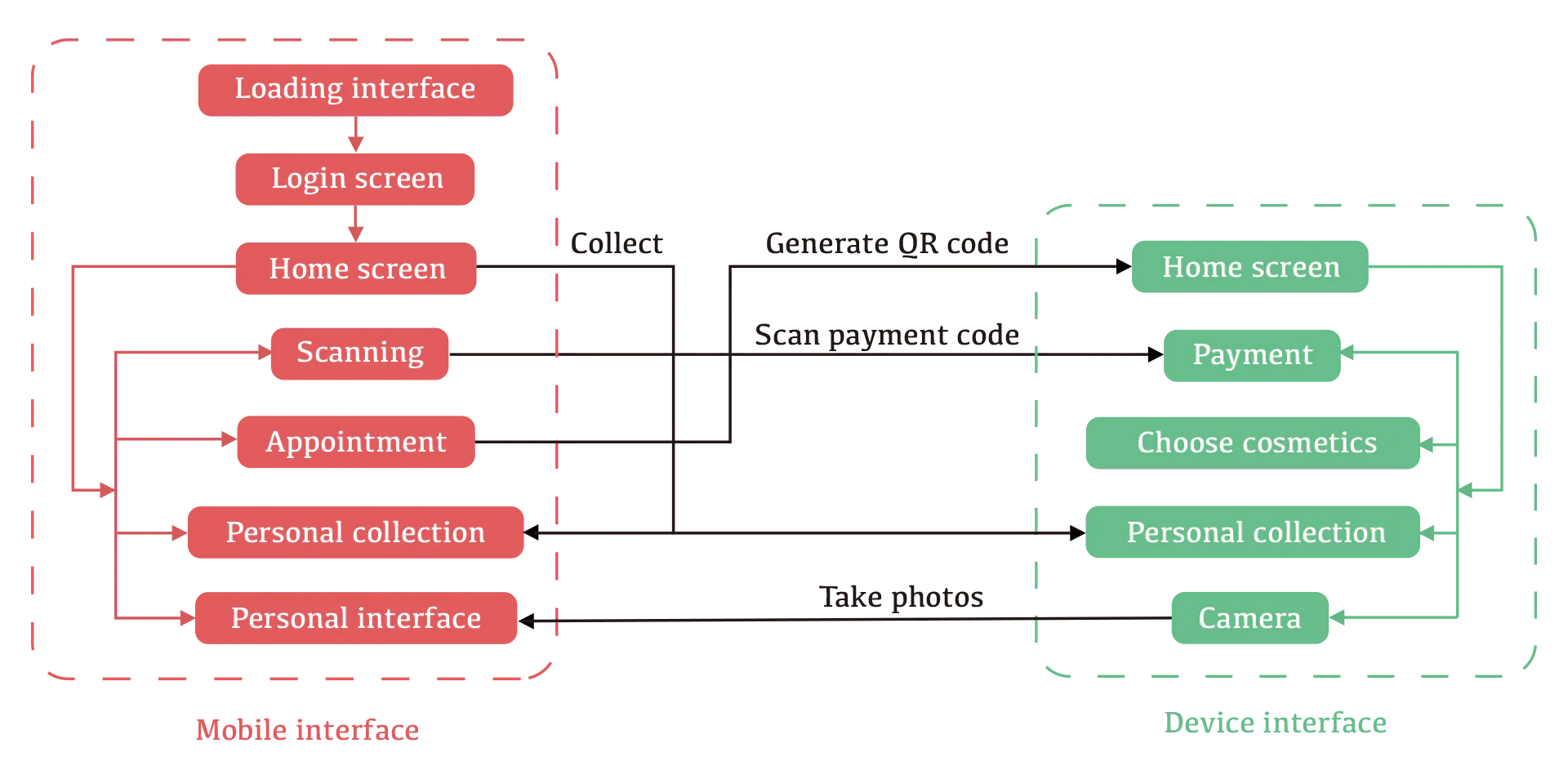
The journey mapped how users discover a space, book a time and place, enter, pay, and prepare.
The workflow turned those steps into a shared structure for the team.
Product Design
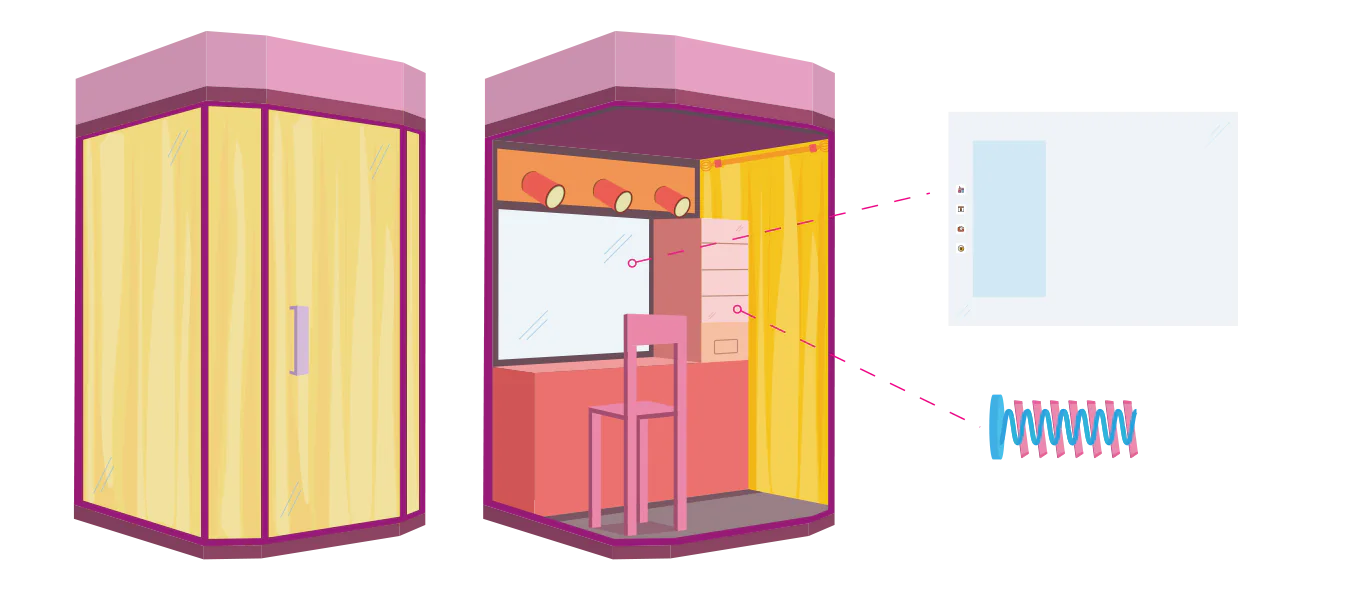
Make the mirror and vending machine work as one.
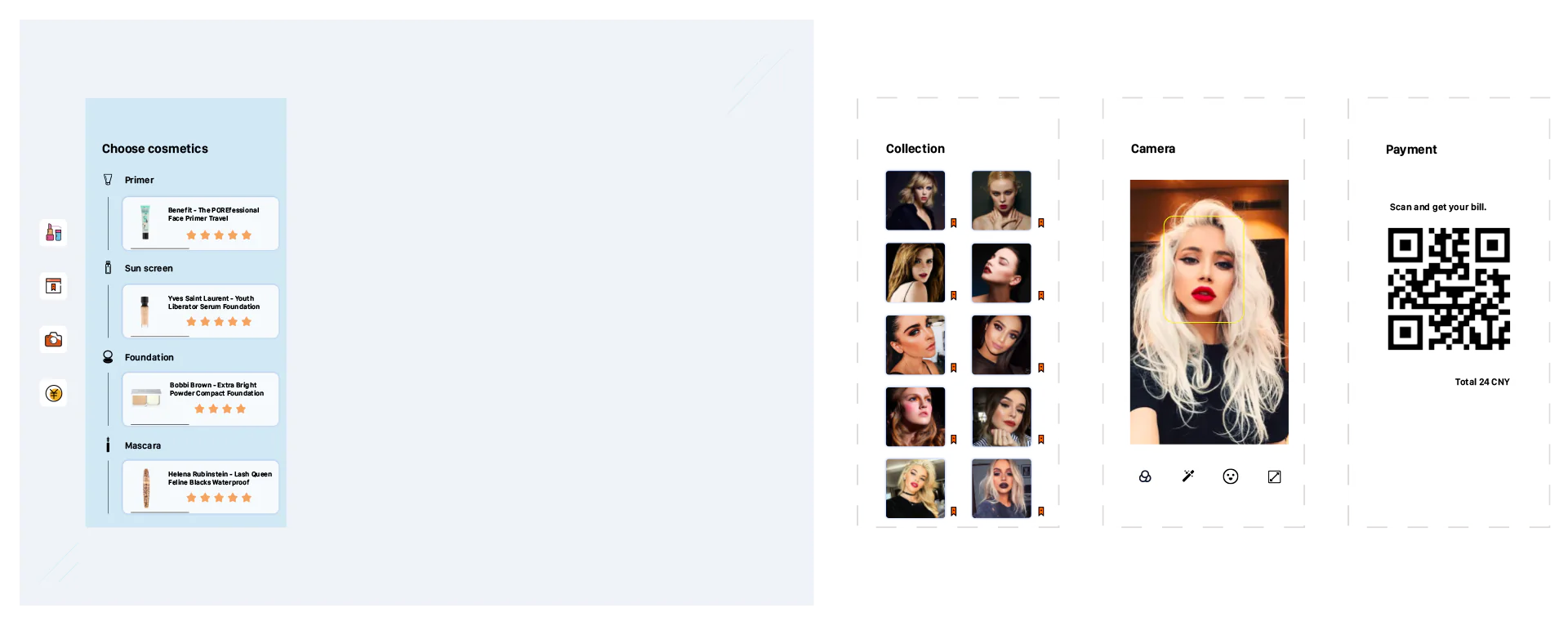
Touch-screen mirrors support application, payment, and photos.
Linked vending machines keep product selection and collection convenient and hygienic.
Prototype
Test the service before polishing the interface.
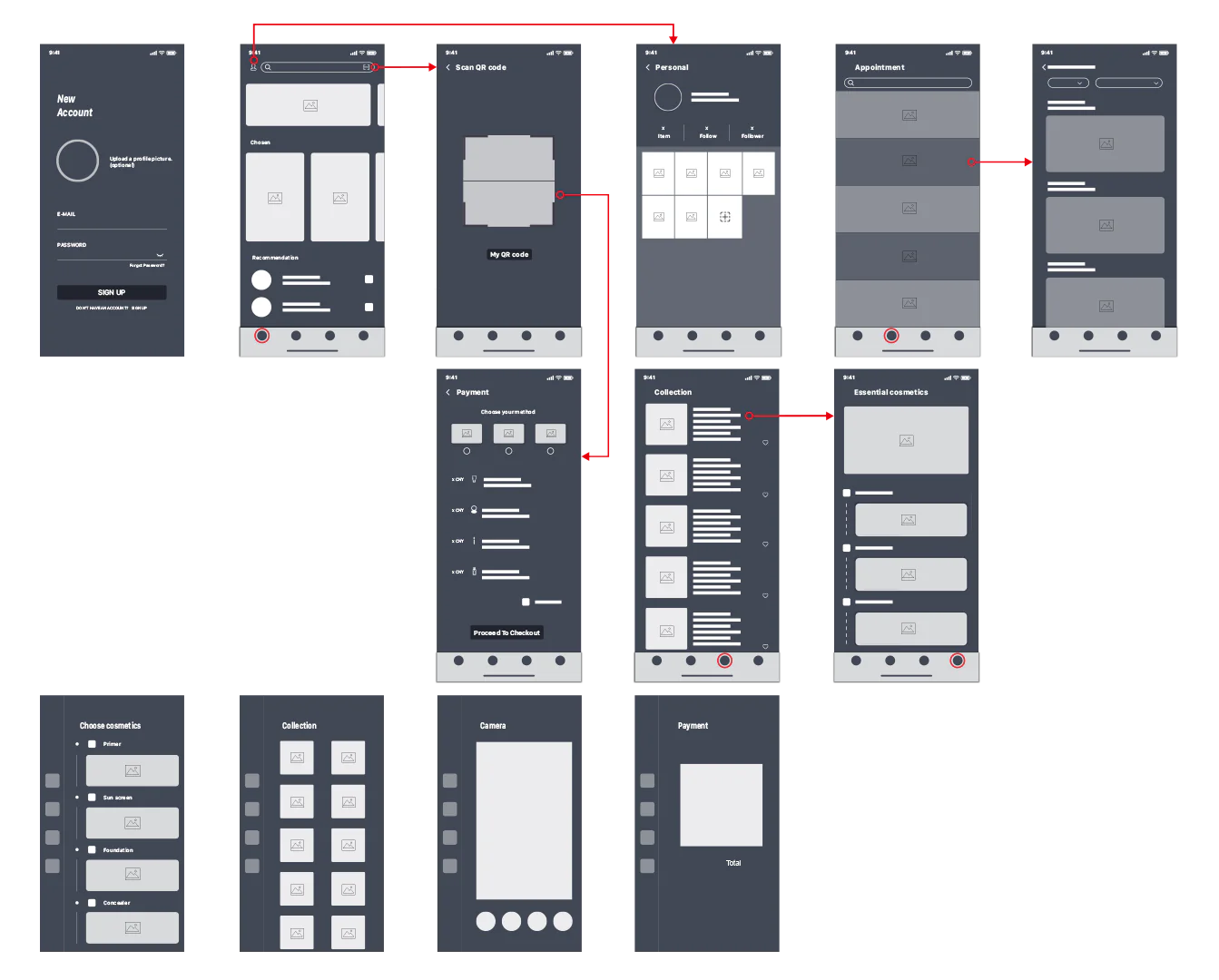
Low-fidelity wireframes and prototypes made the service easy to test early, turning feedback into the next design decisions.
Final Outcome
A shared service across mobile and mirror interfaces.
The final direction connects the mobile app with the interactive mirror and vending experience, giving users one clear path from booking to makeup and sharing.